Umbrian Food: The Dishes, Cured Meats and Lentils to Order
Umbrian food means black truffles, norcineria cured meats, Castelluccio lentils and lake fish. Here are the dishes to order and what each one actually is.
On this page
Umbrian food is simple cooking made with excellent raw ingredients: black truffles, cured pork, tiny mountain lentils, lake fish and olive oil. The dishes to seek out first are strangozzi al tartufo nero, torta al testo, porchetta and pici alla norcina, with lentil and spelt dishes filling out the rest of the menu. This guide goes through each one by ingredient, so you can pick by what you actually like eating.
Umbria sits in the middle of Italy with no coastline, which shapes the cooking. Its hills suit olives and vines, and its mountain areas suit livestock, so the region's strengths are cured meats, pecorino, pulses and truffles rather than seafood. Read against other regional Italian food, this is one of the clearest examples of a cuisine built on what the land gives.
What Umbrian cooking is like
The defining characteristic is restraint: a few good ingredients handled with respect, rather than long ingredient lists or elaborate technique. That means a plate of pasta dressed with truffle and butter, a bowl of lentils cooked with olive oil and onion, or a slab of roast pork in a split flatbread. Expect menus that look short and taste deeper than they read.
Two strands sit side by side on any Umbrian table. One is the celebration strand, truffles and roast meats and festival breads; the other is the everyday strand of pulses, grains and vegetables, sometimes called cucina povera, the plain cooking of the countryside. Order across both and you get a truer picture of the region than truffle pasta alone.
For a visitor based in Perugia or Assisi, this makes ordering easy. Start with a shared flatbread or a plate of salumi, take a pulse or grain dish as a first course, then choose one truffle or pork dish as the main event. It keeps the bill sensible and puts the region's real strengths on the table.
Black truffles from Norcia and strangozzi al tartufo
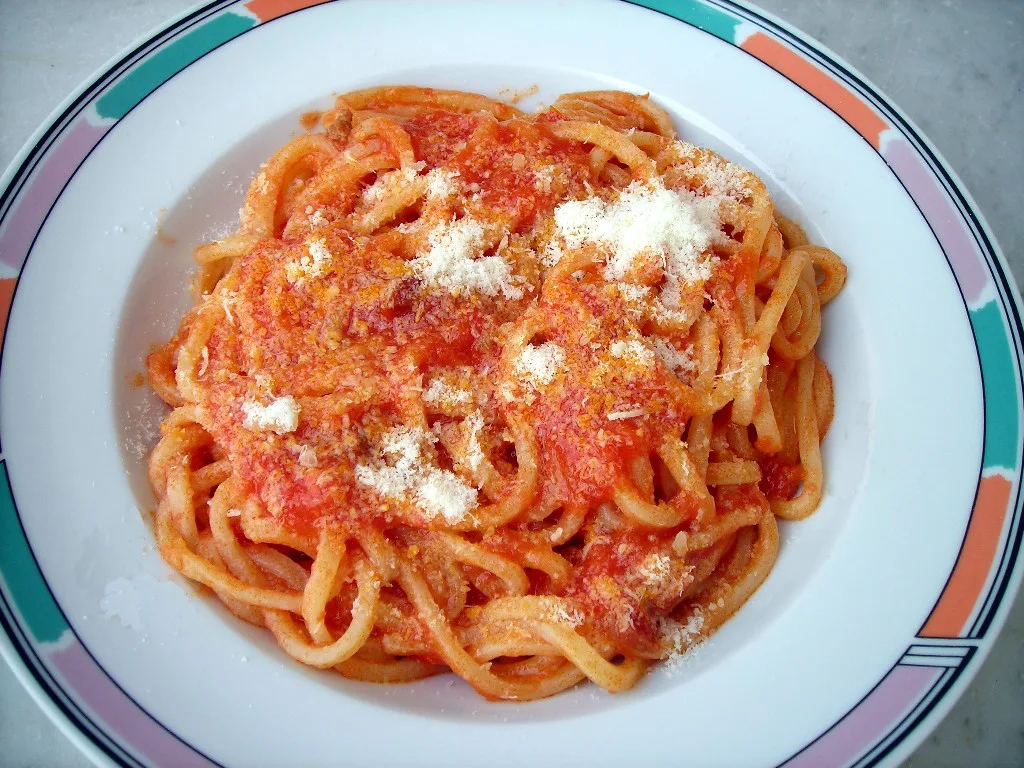
Black truffles from Norcia are one of Umbria's signature products, earthy and deep rather than delicate. The classic vehicle is strangozzi, a long handmade pasta with a slightly chewy bite, shaved with black truffle and often finished with butter so the aroma has something to cling to. Order it as a primo (first course) and keep the rest of the meal light.
Truffle is also sold as a pantry product across the region, from preserved truffle to truffle sauces. A jarred sauce is an easy, robust souvenir for cooking at home, spread on bruschette or used to fill ravioli and tortellini. If you want something to carry back, this is the most practical form.
The trade-off is cost against subtlety. Truffle dishes carry a premium in any Umbrian restaurant, and the aroma fades quickly once shaved, so they reward being eaten first and without delay. If you are watching the budget, one truffle pasta between two, alongside a pulse dish, gives you the flavour without the whole meal priced around it.
Torta al testo: the flatbread baked on a hot stone
Torta al testo is a rustic flatbread that was traditionally baked on a hot stone, the testo, and is still eaten all over Umbria. It arrives split and filled, most commonly with prosciutto, soft cheese or grilled vegetables, which makes it the region's most useful quick lunch. Look for it in bakeries, at market stalls and on the snack end of restaurant menus.
Ordering is straightforward: choose your filling at the counter or from a short list, and eat it in hand or on a paper plate. It is at its best warm and slightly charred at the edges, so take it as it comes rather than letting it sit. A shared one makes a good opener before pasta.
Porchetta and the norcinerias: why cured pork is central here
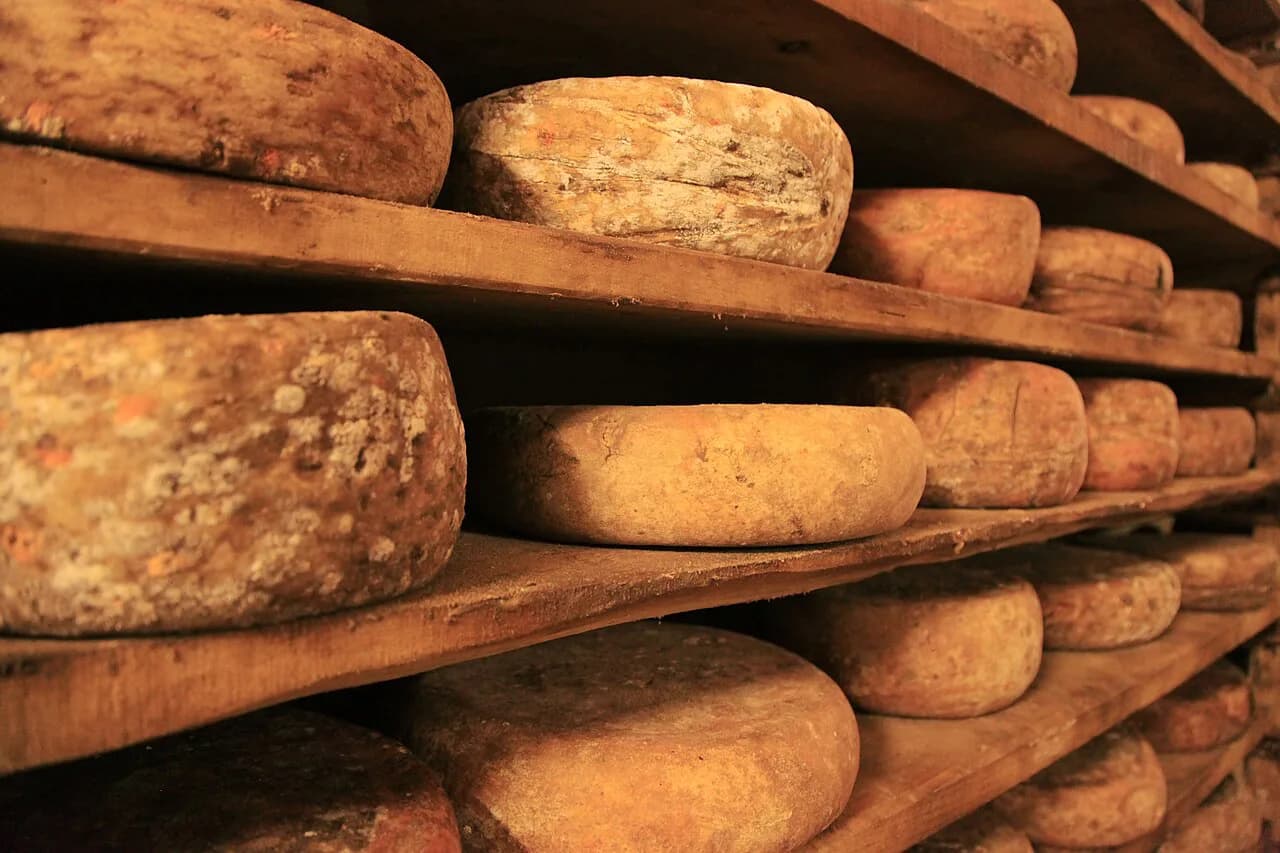
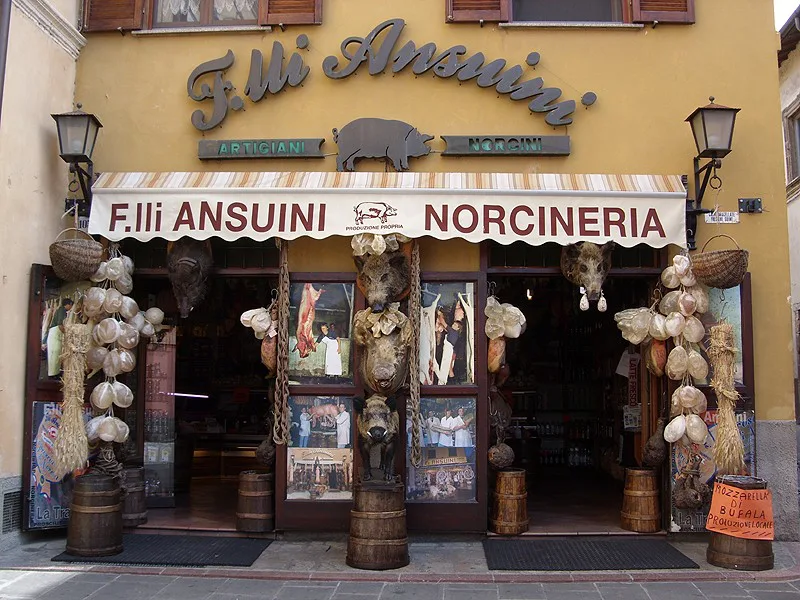
Umbrian cured meats are the backbone of the region's food, displayed proudly at weekly farmers' markets and made in the local norcinerias. The name comes from Norcia, the Umbrian town associated with the practice of salting and curing pork, which is why a shop specialising in cured meats carries that name rather than the generic word for deli. Umbrian sausage and porchetta are among the best-known local meats.
Porchetta umbra is a whole roast pork, seasoned with wild fennel, garlic and rosemary, crisp outside and tender within, and it is a market-day staple eaten in a bread roll. A norcineria is part shop, part craft workshop: you point at what you want, they slice it, and you can usually take a small selection away to eat later. Think of it as the place to build a picnic rather than a restaurant.
For taking home, choose firm, well-aged items over soft ones, which travel badly in hand luggage. Salami and cured whole cuts survive a flight better than anything sliced and moist. Ask the shop to vacuum-pack what you buy, and it will hold up for the rest of the trip.
If you want to compare this tradition with cured pork elsewhere in Italy, neighbouring regions differ in seasoning and cut, and the same shop logic applies. The Emilia-Romagna food repertoire, for instance, is built around a different set of cured meats and filled pasta.
Pici alla norcina, a rich pasta with sausage and porcini
Pici alla norcina is one of the region's best dishes: a rich, creamy sauce of Umbrian roast sausage and local porcini mushrooms tossed through long, chewy pici pasta. It is comfort food with real depth, and a dish that shows how pork, mushrooms and pasta work together in this kitchen. It appears most often on autumn menus, when porcini are around.
Pici itself is worth knowing. It is a thick, hand-rolled pasta, similar in spirit to a fat spaghetti, made with flour and water rather than egg, which gives it a sturdy texture that holds heavy sauces. It appears across Umbria and neighbouring Tuscany, where it is also a staple.
Lenticchie di Castelluccio and zuppa di farro: the pulse and grain dishes
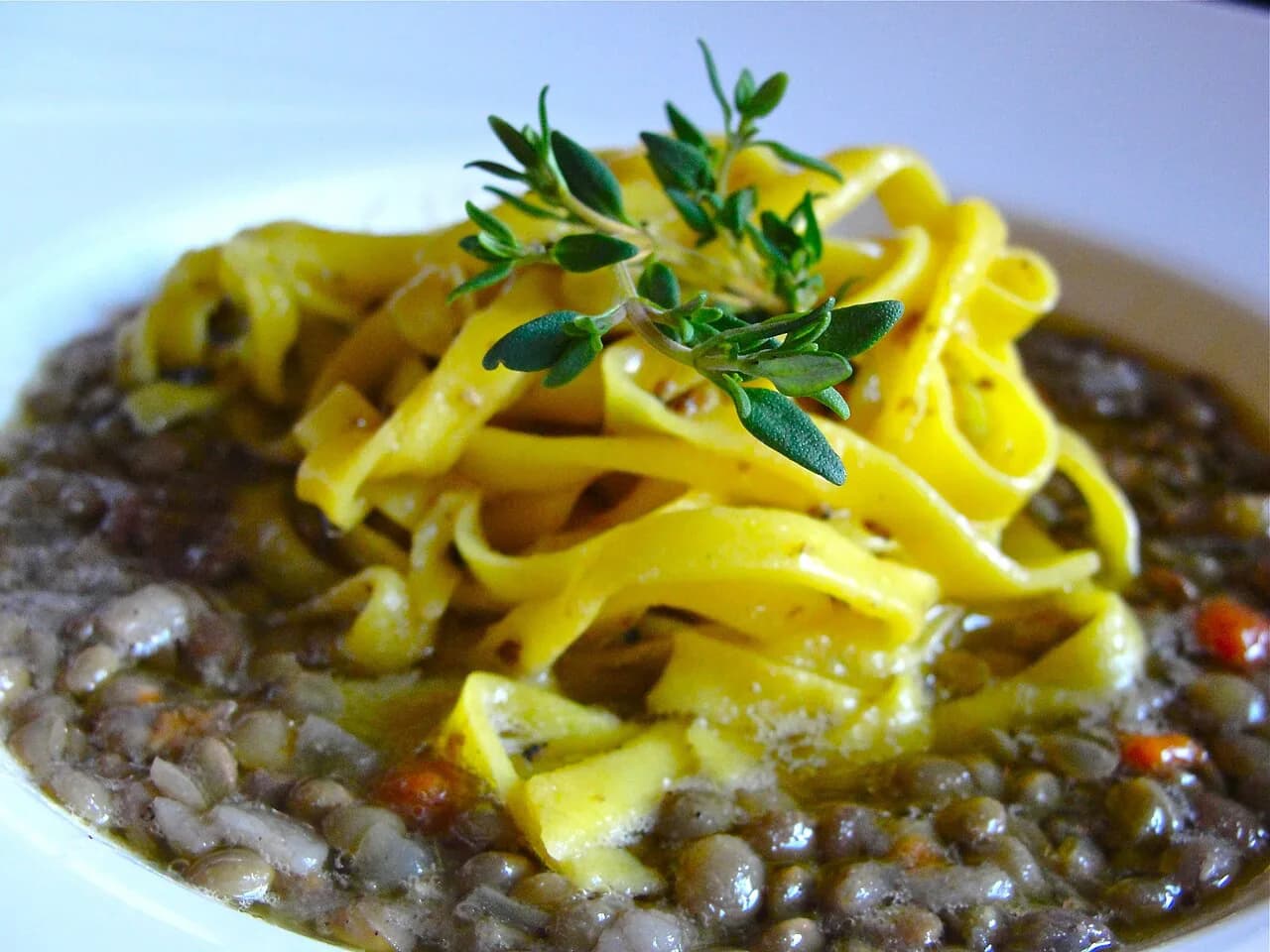
Lenticchie di Castelluccio are tiny lentils grown around Castelluccio di Norcia and prized across Italy. They are usually served as a humble stew with olive oil, onion and carrot, and the small size means they hold their shape and stay delicate rather than turning to mush. Order them as a contorno (side dish) or a light first course.
Zuppa di farro is the grain counterpart, an old soup of spelt, beans and seasonal vegetables, warming and filling in the way countryside cooking is meant to be. Between the two you have the region's everyday cooking at its best: cheap ingredients, long cooking, honest flavour. If truffles are the splurge, this is the meal you will remember for value.
Both lentils and other pulses are sold dried and are easy to bring home, and spelt is sold alongside them. A bag of small lentils takes up almost no space and makes a proper winter dish at home. Look for them in norcinerias, food shops and markets rather than only in tourist shops.
Fagiolina del Trasimeno and the lake's fish, eels and carp
Lake Trasimeno, the fourth-largest lake in Italy by surface area, is the beating heart of this landlocked region, still worked by local fishermen using sustainable methods to catch eels, carp and catfish. That gives Umbria a freshwater fish tradition most visitors never expect. Fagiolina del Trasimeno, a delicate heirloom bean grown near the lake, is often served simply with olive oil and herbs as a quiet tribute to the soil.
Around the lake, order the fish when it is on: eel and carp are the local specialities, and the bean dishes make a natural accompaniment. This is the part of the Umbrian menu that surprises people who assume central Italy means only pork and truffles.
Cheese and olive oil: pecorino and Umbrian extra virgin olive oil
Pecorino is the cheese to know here, made from sheep's milk, in young, soft versions and aged, firmer ones. It appears on cheese boards, grated over pasta and paired with honey or jam at the end of a meal. Umbrian extra virgin olive oil is the other constant, used raw on lentils and soups and as the base for truffle sauces.
The hills of Umbria are well suited to olive trees and vines, and small artisan producers make both. A bottle of oil is a better souvenir than most, but check the harvest date on the label and buy the freshest you can find. Cheese is more of a picnic purchase than a suitcase one.
Breads and festival baking: crescia di Pasqua and pan nociato
Crescia di Pasqua is a fluffy savoury Easter bread flavoured with Parmigiano and black pepper, originally baked for the Easter celebrations and now found in bakeries year-round. Pan nociato is a fragrant walnut bread made with pecorino, rosemary and sometimes a hint of clove, traditionally baked around All Saints' Day but worth eating in any season. Neither tends to reach restaurant menus abroad, which makes them the most distinctive things to seek out in a bakery.
Eat crescia in slices alongside salumi or a glass of wine, and pan nociato with cheese. Both are good picnic material and both keep for a day or two, which makes them useful if you are travelling onward.
Sweet things: rocciata di Assisi
Rocciata di Assisi is Umbria's answer to strudel: thin pastry rolled around apples, nuts, raisins and spices, lightly sweet and warmly spiced. It is festive by nature and typical of Assisi, where it is the pastry to order with a coffee at the end of a meal. Ask for it in a pasticceria rather than expecting it everywhere.
What to drink with Umbrian food, including Sagrantino di Montefalco
Sagrantino di Montefalco is the region's most famous red, a deep-coloured, DOCG-classified wine from grapes grown around Montefalco. It is tannic and powerful, which is exactly why it stands up to roast pork, pici alla norcina and aged pecorino. Order it by the glass with a main course rather than as something to drink through the whole meal.
For lighter dishes, a simple white or a local sparkling wine works better with lentils, lake fish and vegetable courses. Serve wine moderately alongside food and the flavours of the region come through more clearly.
How to eat it: markets, norcinerias and what to buy to take home
The most useful food stop in any Umbrian town is the weekly farmers' market, where cured meats, cheese, pulses and bread are sold side by side. Go in the morning, buy bread and salumi for a picnic, and ask the stallholder to slice to order. A norcineria does the same job indoors and usually has a wider cured-meat selection.
For the suitcase, prioritise dried goods: lentils, spelt, truffle sauce, olive oil and hard cheese. Small artisan producers make all of these, and they survive the journey home far better than soft cheese or fresh bread. If you would rather order after you get back, some Umbrian shops sell the same regional products online.
If Umbria is one stop on a longer Italian trip, it is worth comparing how the same building blocks of cured pork, pulses and sheep's cheese are used elsewhere. The Sicilian food repertoire, for instance, runs from pani câ meusa, a spleen sandwich, to pasta with sardines, a very different expression of island cooking. Sardinian food, by contrast, leans on pane carasau and pecorino sardo, a different expression of the same mountain logic.
What to order first in Umbria
If you order one thing, make it strangozzi al tartufo nero; if you order three, add torta al testo and lenticchie di Castelluccio. That combination gives you the celebration dish, the everyday flatbread and the pulse cooking that define the region. For pork, go to a norcineria and buy porchetta by weight.
Truffle pasta and pulse dishes sit at opposite ends of the price scale, so pairing one splurge with one simple course is the sane way to eat here. Build the rest of the day around a market visit and a bakery stop for crescia or pan nociato, and you will have eaten widely without a single overpriced tourist menu.
Explore more Italy food guides
Sources
Notes for your next meal in Italy
Optional updates to our food guides.
You might also like
Continue reading
More guides you'll find useful