Cappellacci: Ferrara's Pumpkin Pasta and How to Eat It
Cappellacci are Ferrara's large pumpkin-filled egg pasta, served with ragù or butter and sage. Here is what they are, what fills them and how to order them.
On this page
Cappellacci are Ferrara's signature stuffed pasta: large squares of fresh egg pasta filled with baked pumpkin, Parmigiano, breadcrumbs and nutmeg, usually served with meat ragù or with melted butter and sage. If you order one first course in Ferrara, this is it. This guide covers what goes into them, how they differ from cappelletti, why the sweet-savoury balance matters and how to spot them on a menu.
What cappellacci are
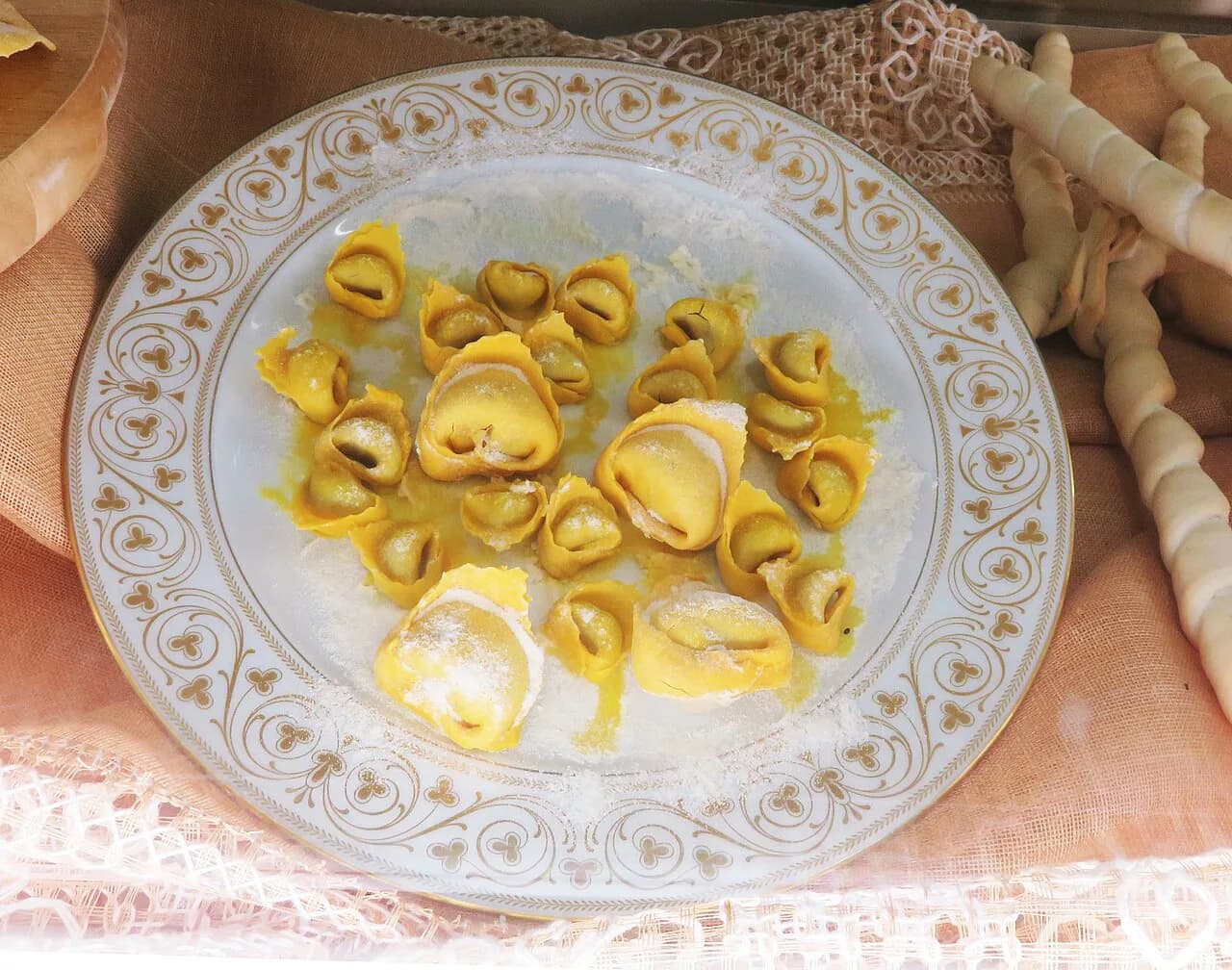
Cappellacci are a fresh egg pasta, stuffed and folded into parcels noticeably larger than the more familiar cappelletti. The filling is a savoury mixture of oven-baked pumpkin, grated Parmesan, breadcrumbs and a grating of nutmeg, as the city's tourism portal describes. The pumpkin is sweet, so the Parmesan and nutmeg pull the filling back towards savoury.
They are a primo, the first course of an Italian lunch or dinner, not a side or a soup pasta. A plate is substantial: the pasta is egg-rich and the filling is dense, so one portion is usually enough before a secondo.
The name and the shape: why locals call them i caplaz
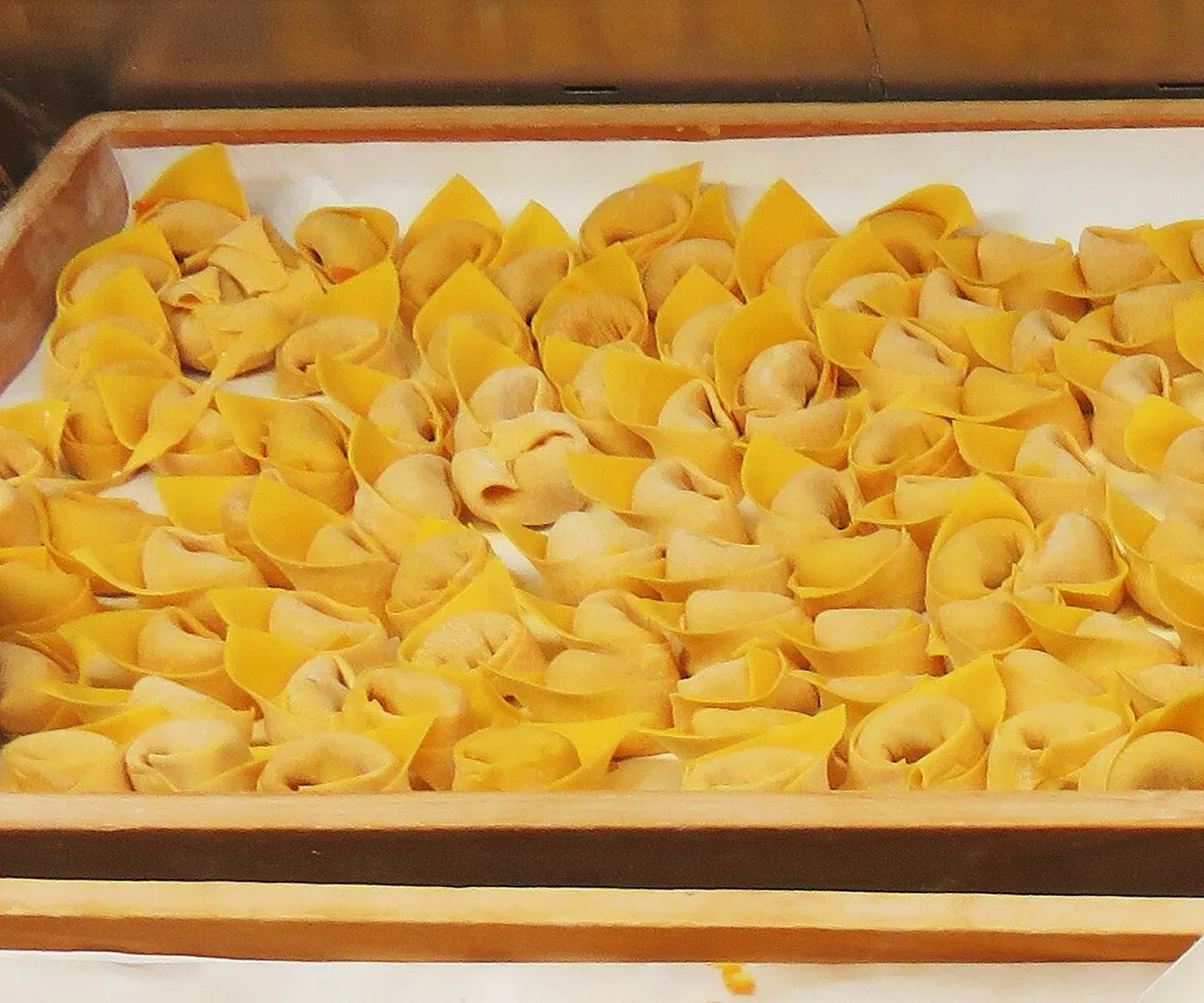
In Ferrara the dialect name is i caplaz, a nod to the straw hat worn by local peasants, which the folded parcels are said to resemble. The shape is made by cutting fairly large squares of pasta, placing a teaspoon of pumpkin filling in the centre, then folding the square over and joining two opposite corners so it closes like a tortello. The result is a big, ridged hat rather than a neat little ring.
What is cappellacci in English? Cappellacci are large, hat-shaped parcels of fresh egg pasta filled with baked pumpkin, Parmesan, breadcrumbs and nutmeg, a speciality of Ferrara. They are a filled pasta, not a soup pasta, and are served as a first course with meat ragù or with melted butter and sage.
How do you pronounce cappellacci? Cappellacci is pronounced roughly cap-pel-LAT-chee, with the double c making a hard sound as in cat and the final i sounding like ee. The dialect name in Ferrara is i caplaz, which refers to the straw hat the folded shape resembles.
What sauce goes with cappellacci? The two classic dressings are meat ragù, which contrasts with the sweet pumpkin filling, and melted butter with sage and Parmesan, the choice of those who prefer the pumpkin to dominate. Both are traditional in Ferrara; the ragù version is the heartier plate and the butter version the lighter one.
That size is part of the point. A generous square gives room for a proper spoon of filling and keeps the pasta-to-filling ratio in balance once the parcels are boiled. It also means cappellacci are a dish to eat with a fork and knife when they arrive under ragù, rather than something you chase around the bowl.
Cappellacci versus cappelletti
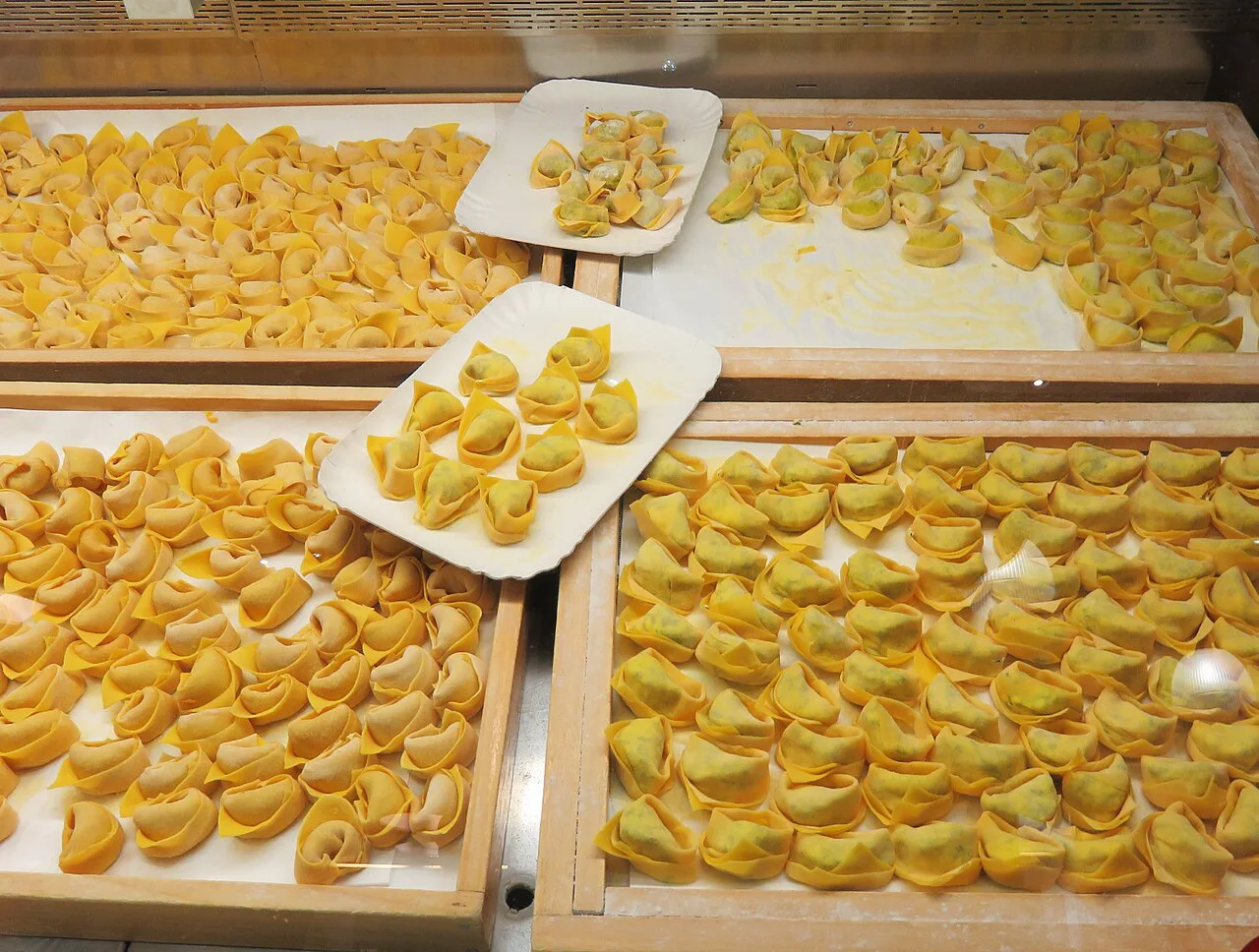
Cappelletti are the smaller cousin, and the two are often confused by visitors moving between Emilia-Romagna's cities. The simplest distinction is size and filling: cappellacci are larger and built around pumpkin, while cappelletti are small and typically meat-filled, served in broth. If a menu lists cappelletti in brodo, that is a different dish, however similar the folded shape looks.
If you want to compare, take the cappellacci as your primo and look for a secondo of local cured meats or grilled meat afterwards. Folded and stuffed formats sit within a wider family, and our guide to Italian pasta shapes places them alongside the dried shapes you will see on the same menus.
The filling: zucca violina, nutmeg and Parmigiano
The pumpkin in the Ferrarese version is zucca violina, a long squash with dense orange flesh that roasts well without turning watery. It is baked first, then mixed with grated Parmesan, breadcrumbs and nutmeg. The breadcrumbs absorb moisture so the filling holds together when the parcels are boiled; without them the pumpkin would leak into the water.
The sweet-savoury balance is the whole trick of the dish. Pumpkin alone would taste like dessert, while the Parmesan brings salt and the nutmeg a warm, aromatic edge that keeps the filling from tasting flat. A well-made cappellaccio tastes of squash first, with cheese and nutmeg behind it.
How they are served: ragù or butter and sage
Traditionally cappellacci are dressed with meat ragù, which sets the savoury sauce against the sweet filling. The other classic dressing is melted butter with fresh sage and a final grating of Parmesan, the choice of those who want the pumpkin to speak for itself. The ragù version is the more robust plate, the butter version the more delicate one.
If you have one meal in Ferrara, order the ragù version first and save the butter and sage for a second visit. The meat sauce is a slow-cooked affair, while butter and sage takes minutes and lets the filling stand alone. Neither is a shortcut version of the other.
A short history: the dish in a 1584 recipe book
The first written evidence of cappellacci comes from Giovan Battista Rossetti's recipe book of 1584. That reference marks the dish's long association with the city rather than confirming today's exact recipe, which generations of Ferrarese cooks have adapted. Treat the date as the point at which the dish enters the written record.
What makes them Ferrarese: flour and pumpkin
Cappellacci rest on two staples of the local farming economy: flour and pumpkin. The area around Ferrara is a cereal-growing district, and pumpkin cultivation there is a centuries-old tradition. That combination is why the dish reads as genuinely local rather than as a generic squash ravioli found across Italy.
For a visitor, the practical consequence is that the best plates come from kitchens with a real connection to the city rather than from menus aimed at passing trade. Look for cappellacci listed as a Ferrarese speciality, often alongside other local first courses, and expect the filling to taste of roasted squash rather than sugar.
Cappellacci and the IGP label
In Ferrara the dish is presented under an IGP label: the tourism portal titles the recipe 'Cappellacci di zucca IGP', the European protected geographical indication that ties a food's name and production to a defined area. The label is used to signal that cappellacci belong to Ferrara, with the pumpkin and flour base part of that local identity. It is not a guarantee that every restaurant plate in the city is made to the certified specification.
If the IGP detail matters to you, ask the kitchen whether the cappellacci are made to the protected specification. Most visitors will care more about whether the filling is properly baked and the pasta thin enough, but the label is a useful shorthand for the real thing.
How to order cappellacci in Ferrara
On a Ferrarese menu, cappellacci usually appear among the primi, listed as cappellacci di zucca with either ragù or burro e salvia. Portions are generous, so one plate between two as a shared primo, followed by a secondo, is a sensible way to try more of the menu.
Pair them with a simple second course rather than another pasta, and finish with a local dessert if you have room. The butter and sage version leaves more appetite; the ragù version is a meal in itself. Other filled pastas follow the same logic, including agnolotti and culurgiones, each with its own regional filling.
Making cappellacci at home
The InFerrara recipe gives a workable home version: flour and eggs for the pasta, baked pumpkin, Parmesan and nutmeg for the filling, with salt and water as needed. The quantities are generous, so halve them if you are cooking for two. Roast the pumpkin until dry rather than steaming it, and let the filling cool before you fill the pasta.
For the folding, roll out the fresh egg pasta, cut large squares and place a teaspoon of filling in the centre of each. Fold the square over on itself, join two opposite corners and close it like a tortello to make the hat shape. Seal the edges firmly, or the parcels will open in the water, then cook them in salted boiling water and dress immediately.
Browned butter and sage is the easiest way to finish them at home, and a slow-cooked meat sauce approximates the ragù version. For a contrast in character, agnolotti del plin from Piedmont is smaller and more delicate, while culurgiones from Sardinia are closed with a distinctive braided seam and a Pecorino-led filling.
Common mistakes with cappellacci
The first mistake is treating them as a small soup pasta. Cappellacci are large, filled parcels and belong on a plate as a proper first course, not in a bowl of broth like cappelletti. The second is skipping the nutmeg: it is what stops the pumpkin tasting sweet and one-dimensional, and the filling is noticeably flatter without it.
The third is drowning them in sauce. Whether you use ragù or butter and sage, the dressing should coat the pasta rather than swamp it, so the filling still reads clearly. Finally, do not confuse them with the many other Italian stuffed shapes, and check how they compare before you order.
Which version to order first
Order the cappellacci with ragù on your first visit to Ferrara, then try the butter and sage version if you eat them again. The ragù plate shows the dish's traditional contrast most clearly, while the butter version lets you judge the filling on its own terms. Either way, you are eating a filled pasta that belongs to Ferrara specifically.
Explore more Italy food guides
Frequently Asked Questions
What is cappellacci in English?
Cappellacci are large, hat-shaped parcels of fresh egg pasta filled with baked pumpkin, Parmesan, breadcrumbs and nutmeg, a speciality of Ferrara. They are a filled pasta, not a soup pasta, and are served as a first course with meat ragù or with melted butter and sage.
How do you pronounce cappellacci?
Cappellacci is pronounced roughly cap-pel-LAT-chee, with the double c making a hard sound as in cat and the final i sounding like ee. The dialect name in Ferrara is i caplaz, which refers to the straw hat the folded shape resembles.
What sauce goes with cappellacci?
The two classic dressings are meat ragù, which contrasts with the sweet pumpkin filling, and melted butter with sage and Parmesan, the choice of those who prefer the pumpkin to dominate. Both are traditional in Ferrara; the ragù version is the heartier plate and the butter version the lighter one.
Sources
Notes for your next meal in Italy
Optional updates to our food guides.
You might also like
Continue reading
More guides you'll find useful