Fregola: What Sardinia's Tiny Toasted Pasta Is and How to Use It
Fregola is Sardinia's tiny toasted semolina pasta, rubbed into little balls and boiled like couscous. Here is what it is, how it is made and what to eat it with.
On this page
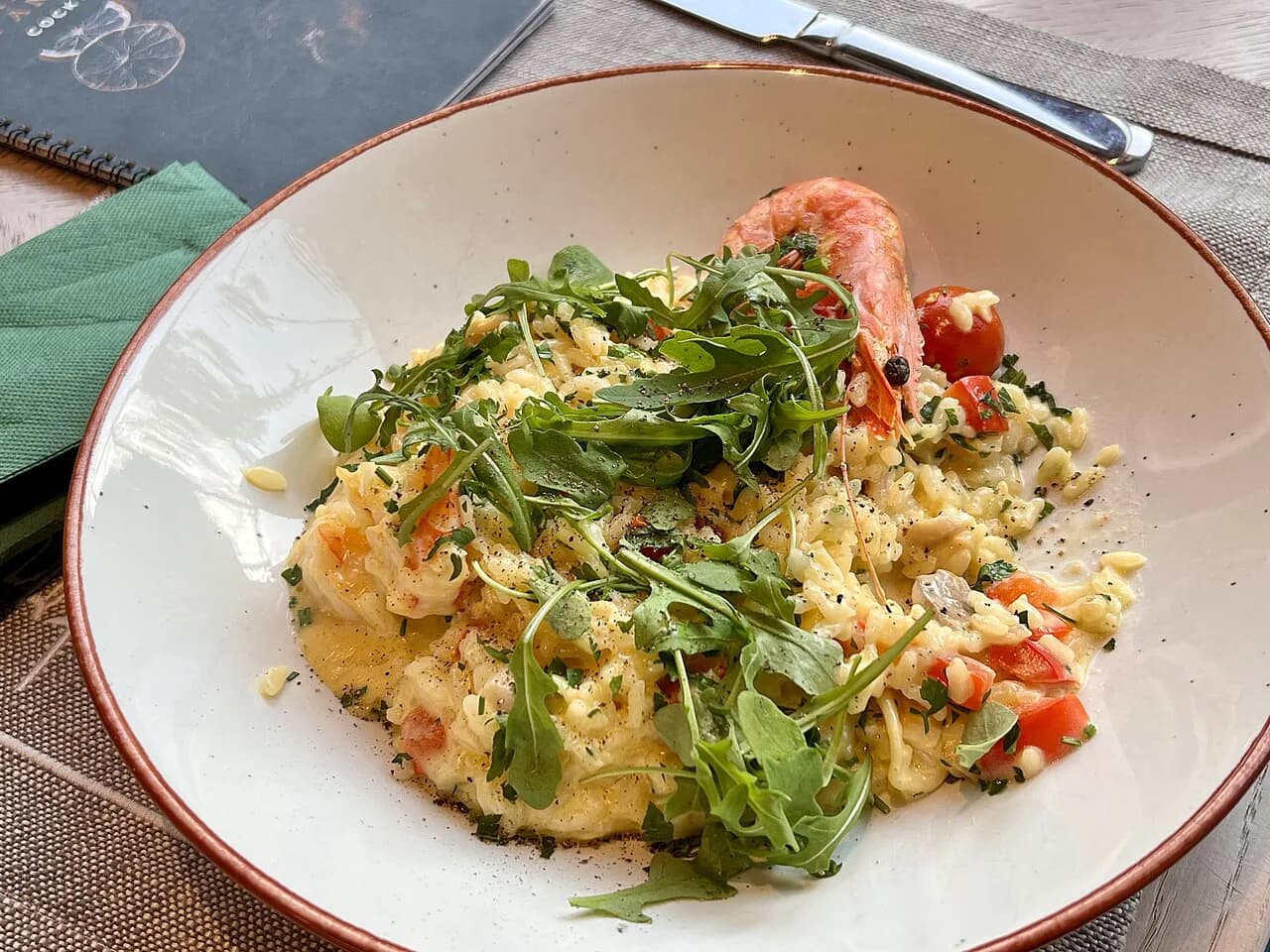
Fregola is a tiny, round pasta from Sardinia, made by rubbing dampened durum wheat semolina into small balls and then toasting them. It is boiled like couscous but chewier and nuttier, and it turns up most often with small clams, in tomato sauce or in soups. This guide covers what fregola is, how it is made, how to cook it and what to look for when you buy it.
What fregola is, in one answer
Fregola, also called fregula or fregola sarda, is a small spherical pasta from Sardinia. It is made from durum wheat semolina, rolled into beads and toasted, which gives it a mottled brown colour and a slightly nutty flavour.
The beads are chewy and absorb liquid heavily, so their texture is the point rather than a strong taste of their own. Think of it as a pasta that carries sauce, broth or seafood juices rather than competing with them, which is also how it fits among the other Italian pasta shapes.
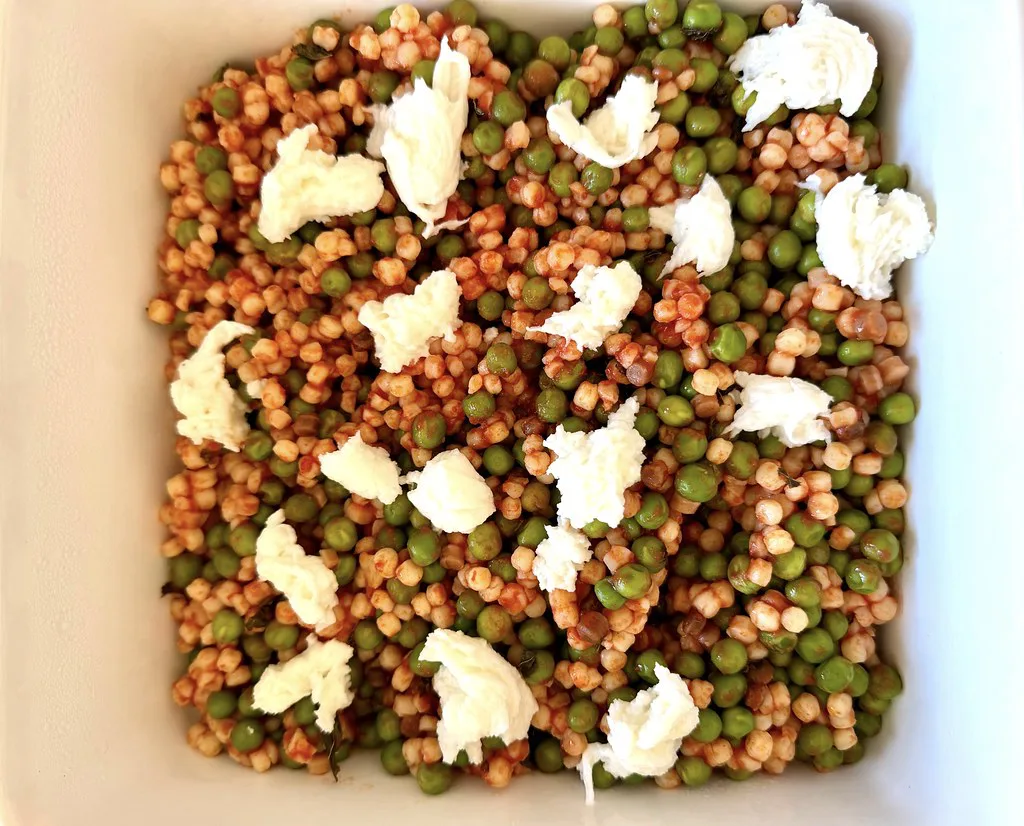
Why fregola is not couscous or orzo
Fregola is often confused with Israeli couscous, which it resembles, and with the rice-shaped pasta orzo. MasterClass, as cited by Mashed, describes fregola as handmade and a little larger than Israeli couscous, which helps explain why it holds its chew after boiling.
Are couscous and fregola the same? No. Fregola is a small toasted semolina pasta from Sardinia, made by rubbing dampened flour into little balls.
How do you make fregola from scratch? Sprinkle or drizzle water over durum wheat semolina and rub the damp flour with your palm until tiny balls form. Toast the balls until dry and mottled, then boil them in water, stock or broth.
What does fregola mean? The word comes from the Latin fricare, meaning to rub, which describes how the pasta is shaped. That root is the clearest way to remember what fregola is: semolina rubbed into beads, not a grain.
The other giveaway is colour: fregola that has been toasted in the oven has a mottled, brownish look rather than the uniform pale of untoasted semolina. The Vorrei fregola, for instance, is toasted this way and sold with that mottled texture.
How the little balls are made: semolina, water and the rub
Making fregola from scratch is simple in principle and slow in practice. You sprinkle or drizzle water over durum wheat semolina and roll the damp flour with the palm of your hand until tiny balls form.
The name comes from the Latin fricare, to rub, which describes exactly that action. Sardinia has made fregola for centuries, with the island's production claimed to reach back perhaps to the 10th century.
The first documented reference to fregola dates from the 14th century, so the older origin story is best treated as a claim rather than a settled date. Whatever its age, the technique is the same: dampen, rub, toast.
Why fregola is toasted, and what that does to the flavour
After the balls are formed, they are toasted in an oven or a pan, which gives them a deeper, nuttier flavour and the mottled colour that marks a good bag.
The toasting also explains the colour variation you see in a good bag: some beads stay pale, others take on a browner, toasted appearance. That unevenness is normal, not a defect.
How to cook fregola: liquid, timing and how much it absorbs
Fregola is boiled in water, stock or broth until tender but still chewy. Because it absorbs a lot of liquid, it works best in dishes where the cooking liquid becomes part of the sauce rather than being drained away completely.
One home method for tomato sauce simmers the toasted fregola in the sauce with a little added water or stock for about 10 minutes, until cooked. Treat that as a guide from one recipe, not a universal rule: smaller beads cook faster, and the packet will give its own timing.
The Sardinian pairing to order first: fregola with small clams
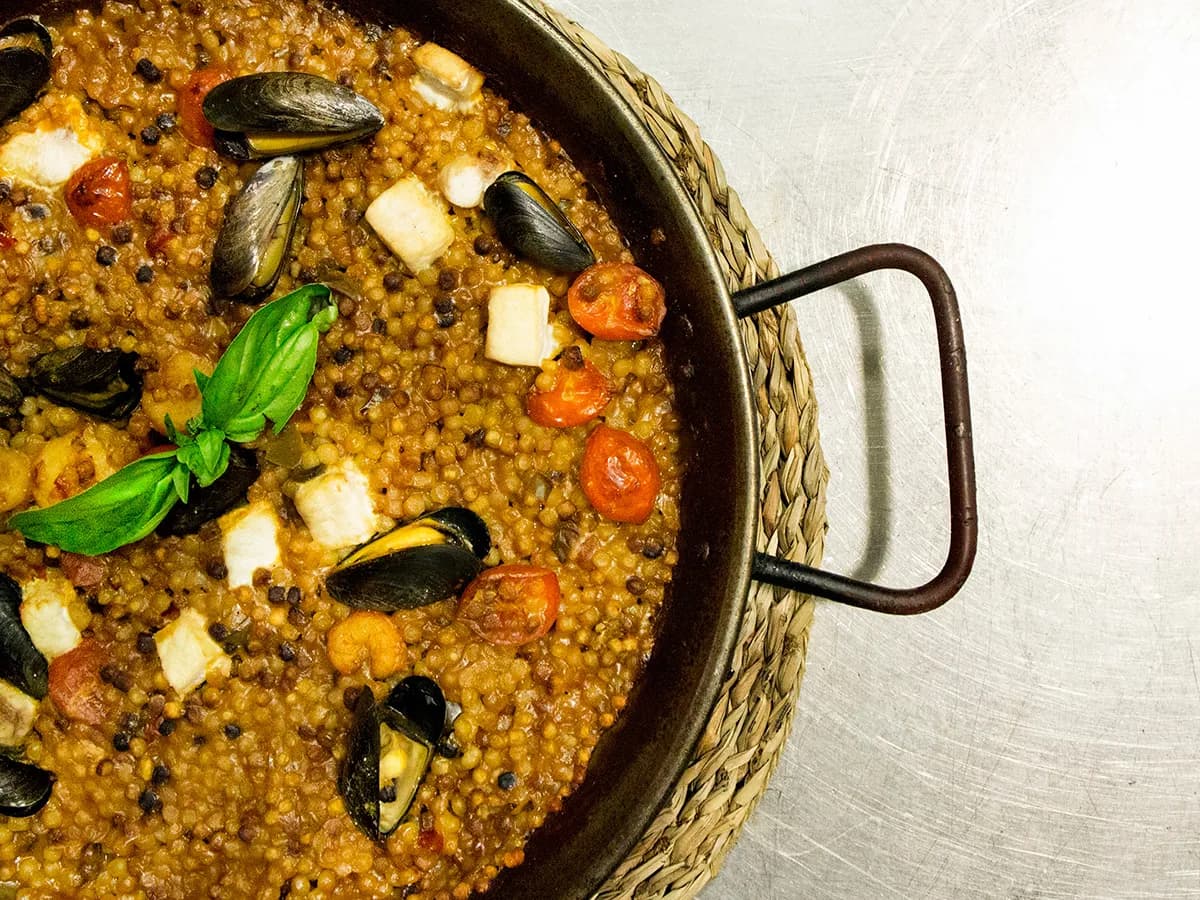
If you order one fregola dish in Sardinia, make it fregola with small clams. The traditional recipe pairs the pasta with clams, and the shellfish juices soak into the beads so the dish tastes of the sea rather than of tomato.
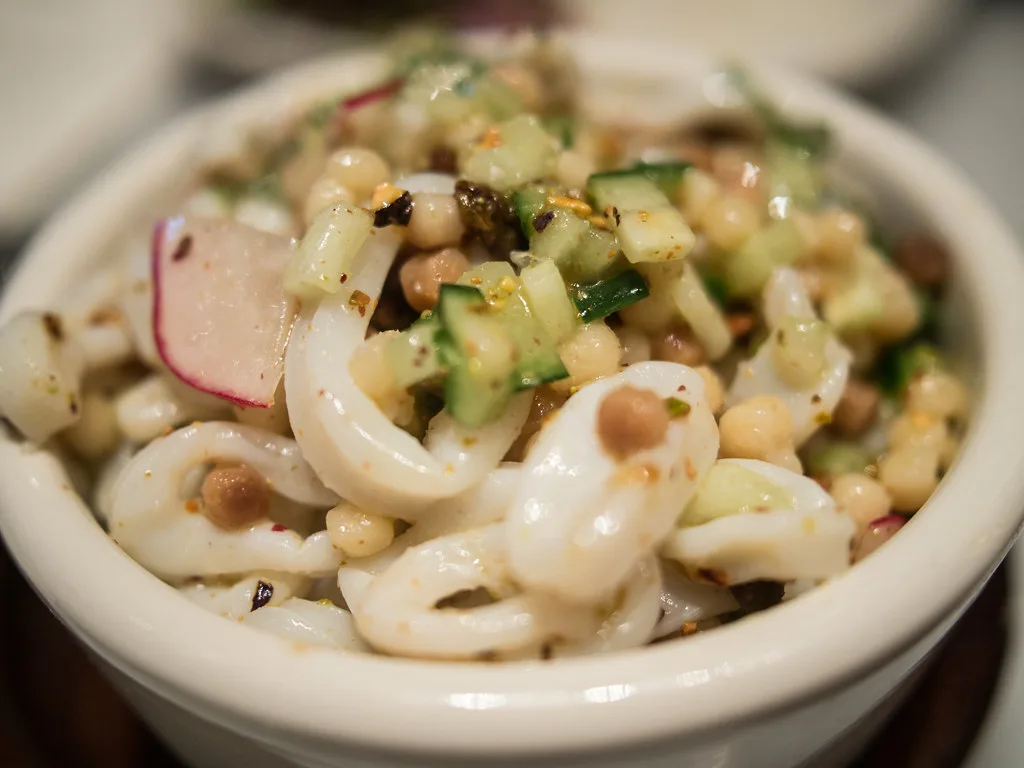
A fuller seafood treatment can add mussels, clams, scallops and squid alongside the fregola. That is a richer, more elaborate plate than the simple clam version, so choose according to whether you want the traditional pairing or a fuller seafood dish.
On Sardinian menus, fregola also turns up with other seafood and in soups. If you are eating your way through the island's pasta, fregola belongs alongside culurgiones, the filled Sardinian pasta, on the same trip.
Fregola in tomato sauce, soups and cold salads
Beyond clams, the most common home use is a simple tomato sauce. Fregola is cooked straight into the sauce with a little liquid so the beads swell and thicken the dish, then finished with grated Pecorino for salt and sharpness.
Fregola also works in soups, where it adds body, and in cold salads, where its chew gives the dish some backbone. The Guardian has recommended fregola in tomato sauce, and Nigel Slater described how it gives salads backbone.
If you want to compare it with the filled pastas of the north, agnolotti shows how different the same semolina tradition can look from one region to the next. The same goes for ragù alla bolognese, a slow meat sauce built for egg pasta rather than these little beads.
What to look for when buying fregola outside Sardinia
Look for bags labelled fregola or fregula sarda and check that the beads are toasted and mottled rather than uniformly pale. Smaller beads suit soups and salads, while larger ones hold up better in a seafood sauce. Toasted fregola is sold online and in Italian delis, though availability varies by shop, so check the label and the stockist directly.
Read the label for the producer and the toasting method, since bags differ from shop to shop. Toasted fregola is sold online and in Italian delis, and a specialist Sardinian-food stockist such as Vorrei lists it by weight.
Which fregola dish to cook first
Start with fregola and small clams if you want the Sardinian classic, or a tomato sauce with Pecorino if you want an easy weeknight version. Either way, cook the beads in liquid you intend to eat, and stop when they are chewy rather than soft.
Explore more Italy food guides
Frequently Asked Questions
Are couscous and fregola the same?
No. Fregola is a small toasted semolina pasta from Sardinia, made by rubbing dampened flour into little balls. It resembles Israeli couscous but is handmade and a little larger, and it is chewier and nuttier because it is toasted.
How do you make fregola from scratch?
Sprinkle or drizzle water over durum wheat semolina and rub the damp flour with your palm until tiny balls form. Toast the balls until dry and mottled, then boil them in water, stock or broth. It is a slow, hands-on process rather than a quick one.
What does fregola mean?
The word comes from the Latin fricare, meaning to rub, which describes how the pasta is shaped. That root is the clearest way to remember what fregola is: semolina rubbed into beads, not a grain.
Is fregola healthy?
Fregola is a durum wheat semolina pasta, so it is a carbohydrate food rather than a light one. How healthy a dish is depends mostly on what you cook it with: clams and olive oil give a different plate from a heavy cheese or cream sauce.
Sources
Notes for your next meal in Italy
Optional updates to our food guides.
You might also like
Continue reading
More guides you'll find useful