Italian Food Words: A Menu Glossary for Eating Out
Italian food words decoded for menus: antipasto, primo, secondo and contorni, trattoria and osteria, plus phrases for ordering and paying the bill.
On this page
The words that matter most on an Italian menu are the course names: antipasto (a starter), primo (a first course, usually pasta, rice or soup), secondo (the meat or fish course), contorno (a vegetable side) and dolce (dessert). Learn those five and you can read the shape of almost any menu in the country, even when the individual dishes are unfamiliar. This guide decodes them in order, adds the phrases that do the practical work of ordering, and flags the lookalike words that catch people out.
Italian food words for the menu: antipasto, primo, secondo, contorno and dolce
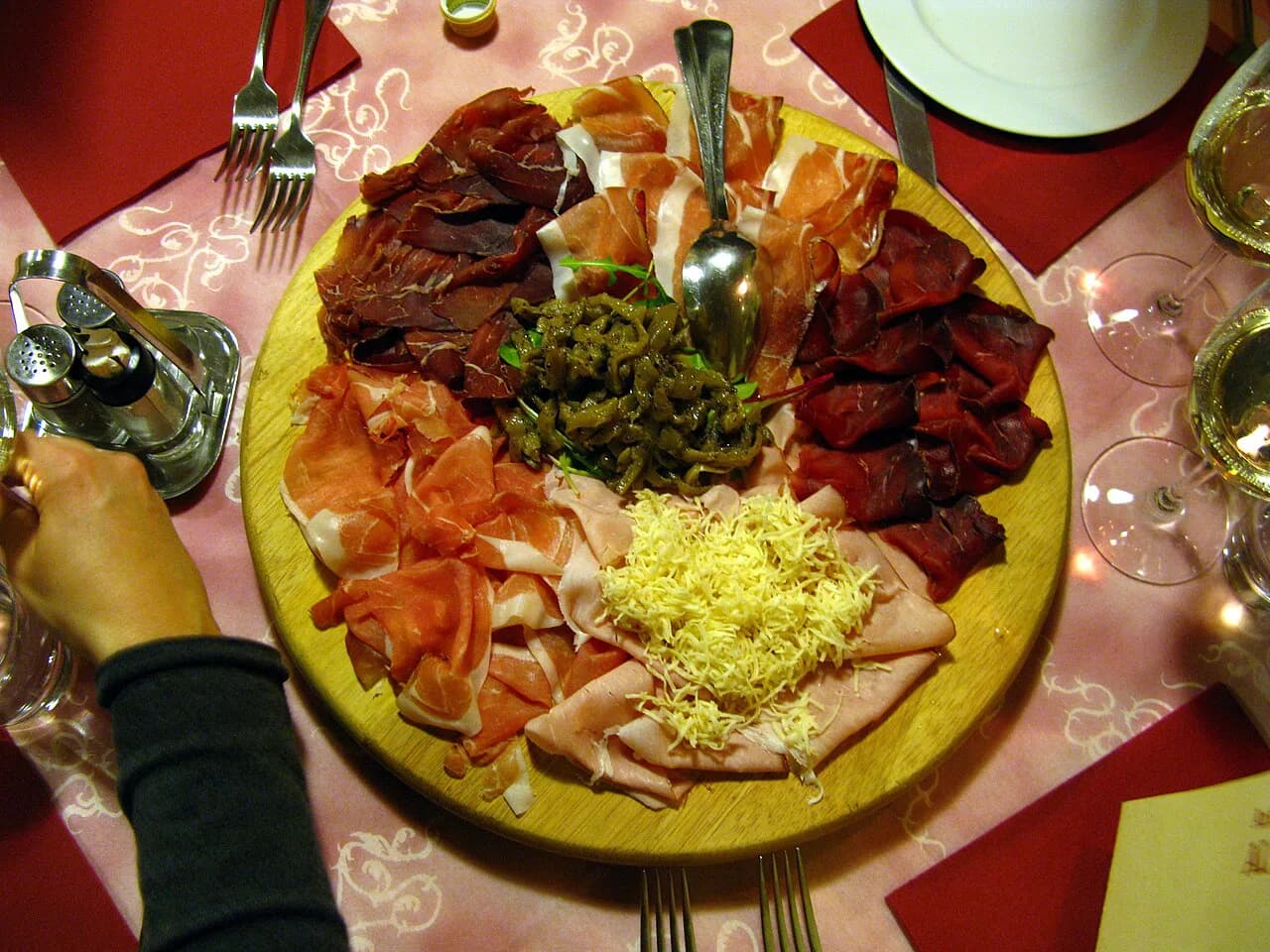
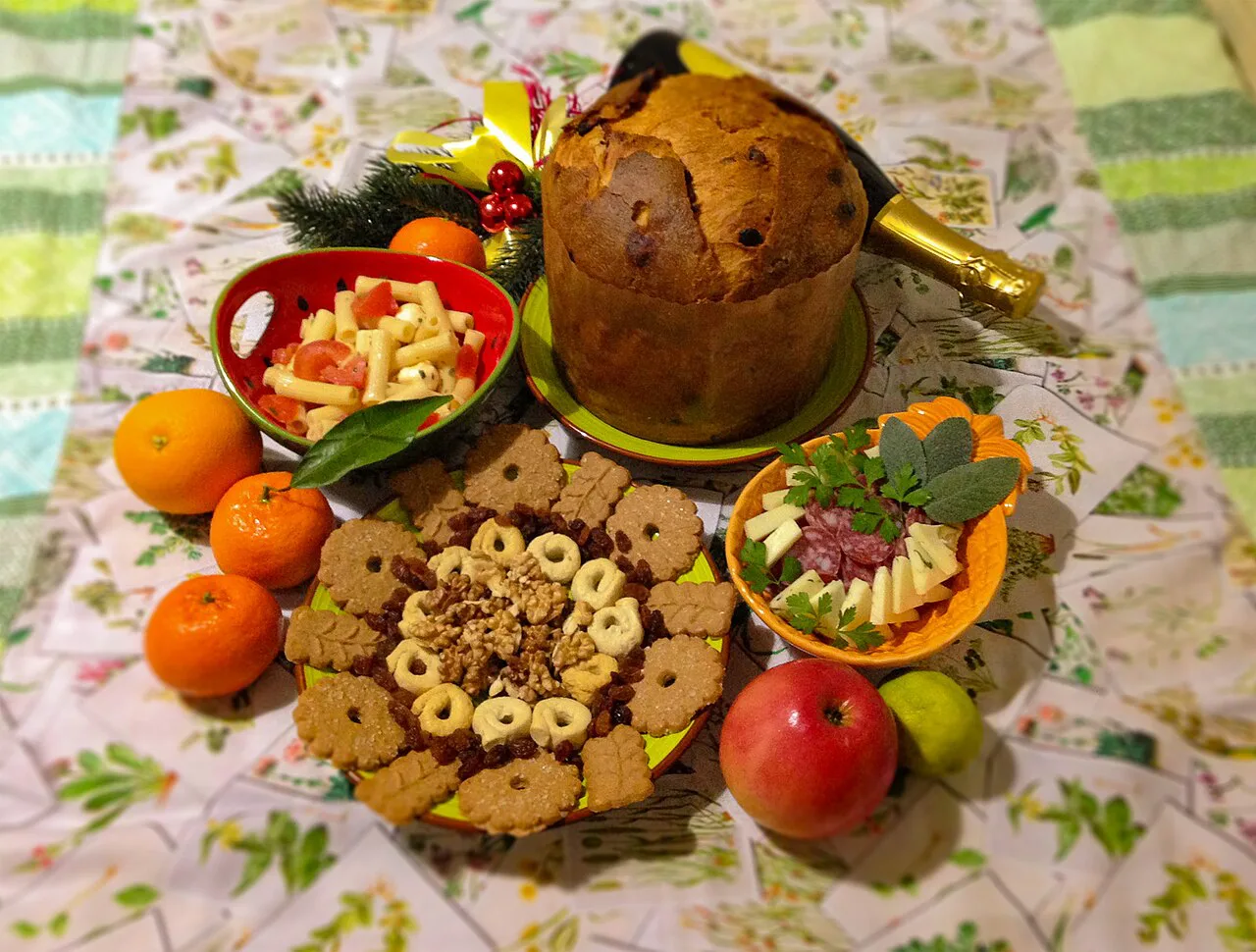
An aperitivo opens the meal: a light drink taken before eating to wake up the appetite, with prosecco, Negroni, Aperol Spritz and vermouth among the usual choices. The antipasto is the appetiser proper, typically salads, a plate of sliced meats or cheese, or a small portion of something from the courses that follow.
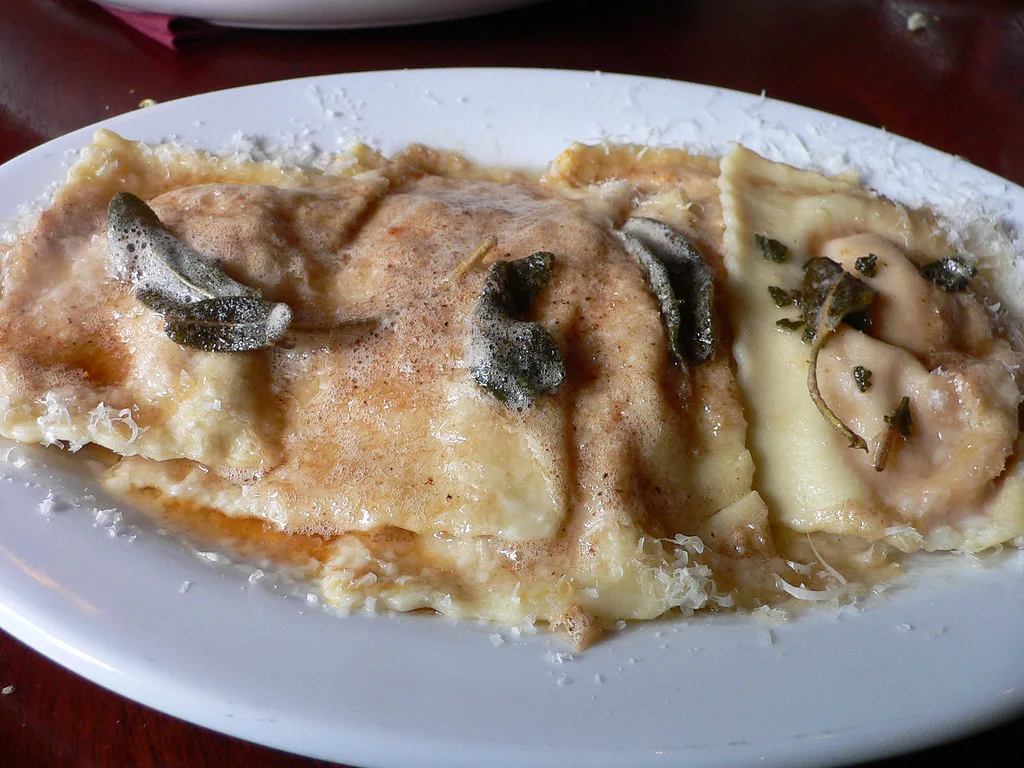
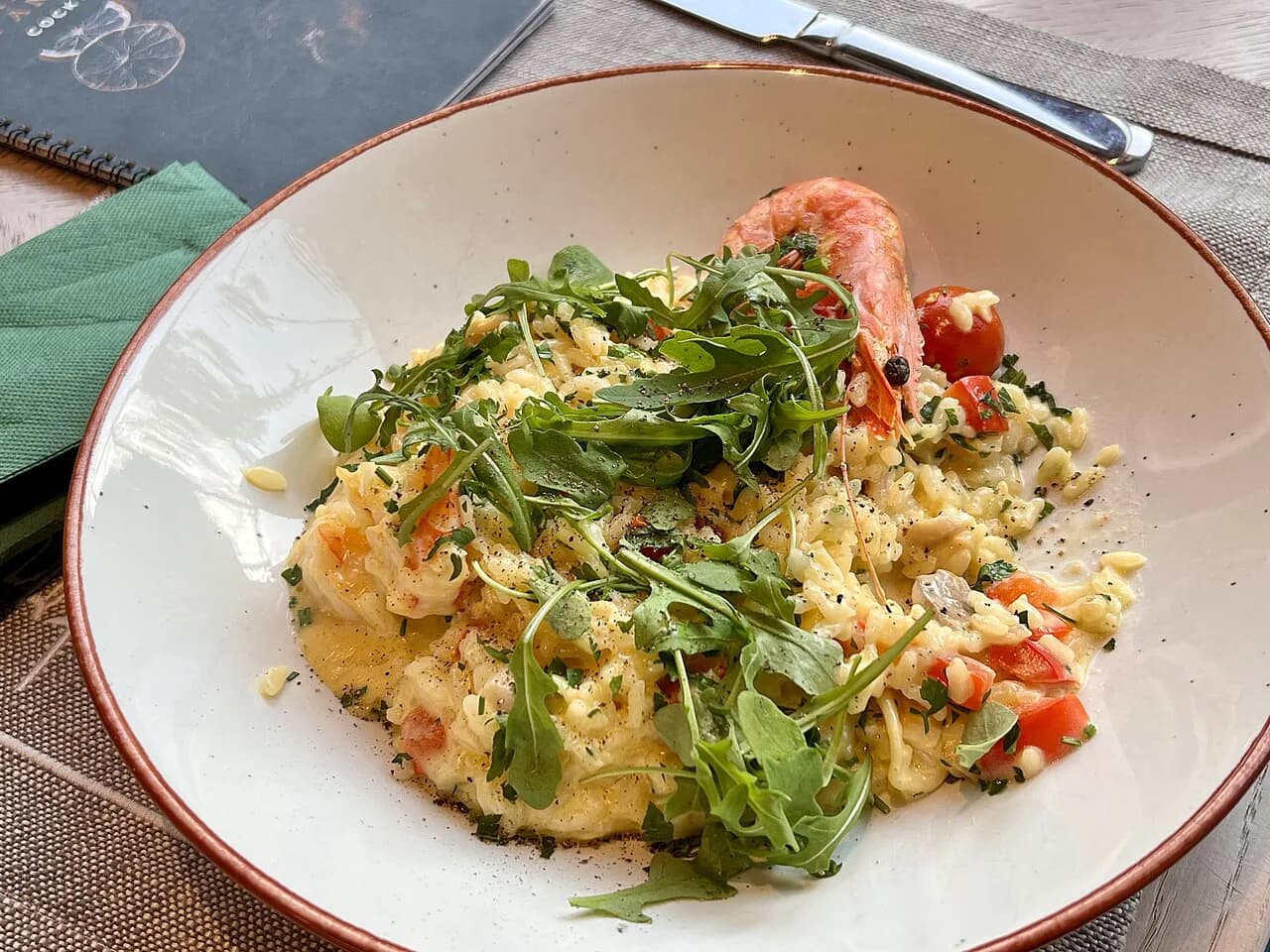
The primo is the carbohydrate course: pasta, a risotto, or a soup such as tortellini en brodo (tortellini in broth). The secondo is the protein, a piece of meat or fish, and it arrives on its own. Vegetables come separately as a contorno, usually roasted, grilled or steamed, and pasta is never treated as a side dish.
Dolce simply means dessert or cake, the sweet course at the end. Reading the menu in this order is the single most useful habit to build.
How many courses to order (and why you do not need all of them)
The printed order is a framework, not an obligation. A menu may list every course, but you can order two primi between two people, skip the secondo entirely, or take a contorno and an antipasto and call it lunch. It is a suggestion, and nobody minds.
What does primo and secondo mean on an Italian menu? Primo is the first course, usually pasta, risotto or soup, and secondo is the meat or fish course. A secondo arrives on its own, so vegetables are ordered separately as a contorno.
Do I have to order every course in an Italian restaurant? No. The printed course order is a suggestion rather than a rule, so you can order two primi, skip the secondo, or take just an antipasto and a contorno.
What is the difference between a trattoria and an osteria? Traditionally a trattoria is less formal than a restaurant with a shorter menu, while an osteria is the most casual with the shortest menu. In practice, the distinctions often blur.
The one structural point worth remembering is that a secondo does not come with vegetables, so if you want a balanced plate you order a contorno alongside it. Groups often share antipasti and contorni in the middle of the table, which is an easy way to try more without committing to a full four-course meal. For the detail behind the sequence, our guide to Italian meal courses lays out each stage in turn.
Restaurant, trattoria, osteria and enoteca: what the name on the door tells you
Traditionally a restaurant is the most formal and the most expensive of the three, a trattoria is less formal with a shorter menu, and an osteria is the most casual with the shortest menu of all. In modern Italy the lines blur constantly: trattorias can feel like restaurants and osterias like trattorias. Treat the name as a hint about formality and menu length, not as a ranking of quality.
An enoteca is a wine shop or bar, and a pizzeria is self-explanatory. Both appear alongside restaurants, trattorias and osterias in the Italian dining landscape.
Ordering food in Italian: the phrases that do the work
Polite basics carry you a long way: per favore (please), grazie (thank you), and buonasera (good evening) on arrival. To book, vorrei prenotare un tavolo per due alle otto means "I would like to book a table for two at eight". For a table, un tavolo per due, per favore gets you seated.
For ordering, prendo means "I'll have" and per me means "for me". Vorrei is the polite "I would like", safer than voglio ("I want"). For street food and counters, un etto means "a hundred grams" and is the standard unit for sliced meats and cheese.
The menu itself is il menù, the bill is il conto, and acqua naturale or acqua frizzante distinguishes still from sparkling water. If you need to get the server's attention, scusi works for "excuse me". A handful of food nouns also repay learning, because ingredients on a menu are often listed in Italian only: pomodoro is tomato, melanzana aubergine and zucchina courgette.
Water, wine and the wine list in plain terms
Ask for acqua naturale (still) or acqua frizzante (sparkling), and it arrives with glasses. A coperto, or cover charge, is a separate line on the bill from the food and drink.
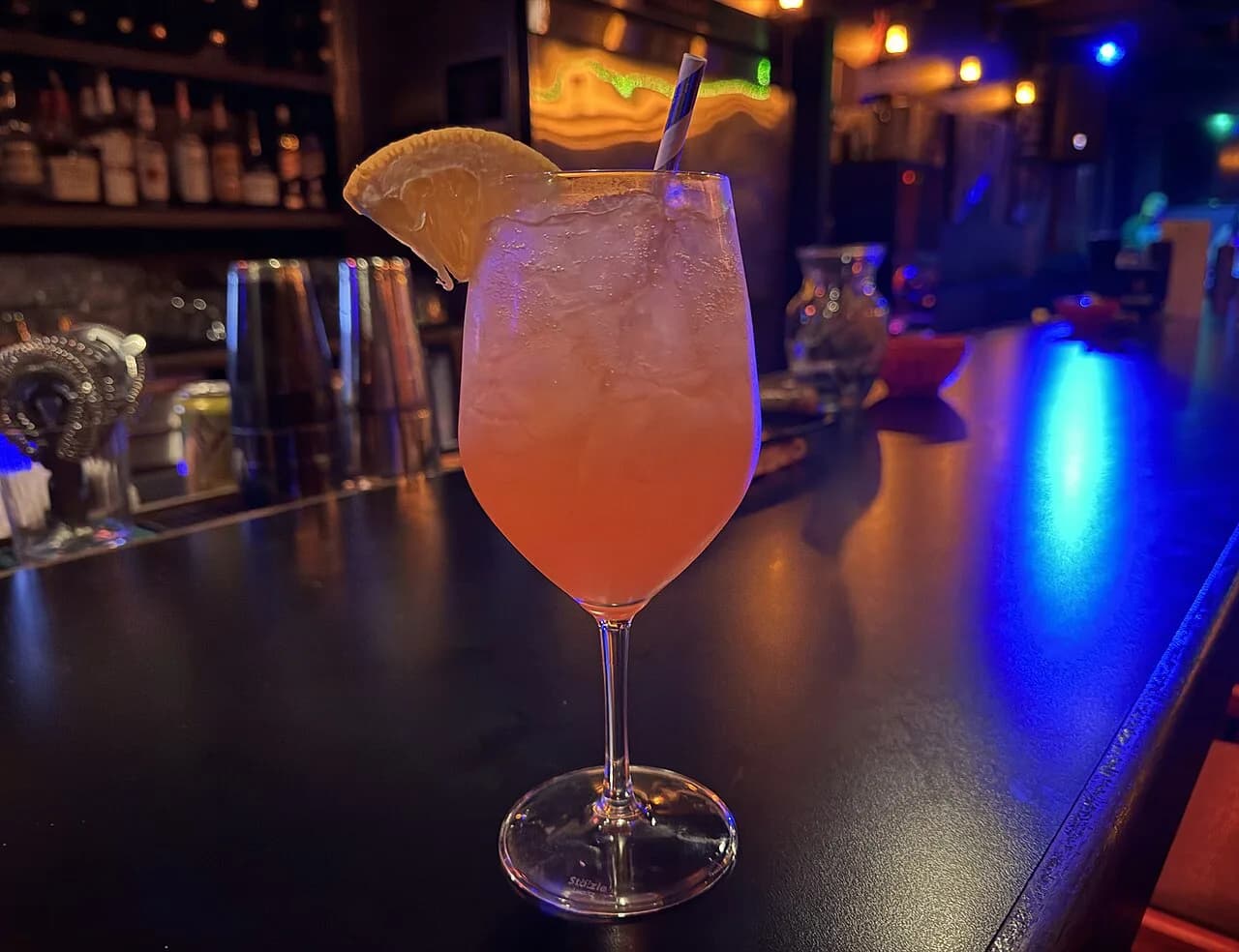
Aperitivo drinks are typically light and low in alcohol, taken before eating rather than as a session. Wine may be ordered by the glass (un bicchiere) or the bottle (una bottiglia), and the house wine (vino della casa) is the simplest option when you only want a glass with the meal.
Dietary needs and special requests: what to say
For a vegetarian, sono vegetariano or sono vegetariana works; for a vegan, sono vegano. A gluten intolerance is sono celiaco or sono celiaca, and ho un'intolleranza al glutine covers a broader gluten intolerance. Adding per favore softens any of these.
Food words help you check ingredients: senza (without), con (with), and specific terms such as formaggio (cheese), carne (meat), pesce (fish) and latte (milk). If you have a serious allergy, say it plainly and confirm the dish with the server before ordering rather than relying on the menu alone.
Asking about a dish and sending compliments or complaints
To ask what something is, che cos'è questo? ("what is this?") or come si prepara? ("how is it made?") is enough. For a recommendation, cosa mi consiglia? means "what would you recommend?" and is usually received well.
Compliments are short: è buonissimo ("it's very good") or complimenti al cuoco ("compliments to the chef"). If something is wrong, c'è un problema ("there's a problem") followed by what is wrong is calmer and more effective than a long speech. Raise it with the server before the meal ends rather than after paying.
Paying the bill, splitting and tipping
Il conto, per favore gets you the bill. Splitting a bill is common: alla romana means splitting it evenly, while paghiamo separatamente means paying separately.
Tipping is not compulsory in Italy; rounding up or leaving a small amount is normal, and a coperto already covers the basics. Cash is still useful for small amounts, though cards are widely accepted. Our guide to tipping in Italy sets out the conventions in more detail.
What to Learn Before You Sit Down
Five words — antipasto, primo, secondo, contorno and dolce — plus a handful of phrases will get you through almost any Italian menu with confidence. Add your own preferences (vegetarian, gluten-free, or simply "what do you recommend?") and you have covered the practical ground. For the wider picture of how eating out works, from meal times to the bill, start with our Italian food culture guide.
Explore more Italy food guides
Frequently Asked Questions
What does primo and secondo mean on an Italian menu?
Primo is the first course, usually pasta, risotto or soup, and secondo is the meat or fish course. A secondo arrives on its own, so vegetables are ordered separately as a contorno.
Do I have to order every course in an Italian restaurant?
No. The printed course order is a suggestion rather than a rule, so you can order two primi, skip the secondo, or take just an antipasto and a contorno.
What is the difference between a trattoria and an osteria?
Traditionally a trattoria is less formal than a restaurant with a shorter menu, while an osteria is the most casual with the shortest menu. In practice, the distinctions often blur.
How do I ask for the bill in Italian?
Say il conto, per favore. Splitting the bill is also common: alla romana means splitting it evenly.
What does coperto mean on a restaurant bill?
Coperto is a cover charge, a separate line on the bill from the food and drink you ordered.
Sources
Notes for your next meal in Italy
Optional updates to our food guides.
You might also like
Continue reading
More guides you'll find useful