Italian Liqueurs: A Guide to Amaro, Limoncello, Grappa and More
Italian liqueurs explained: bitter aperitivi, herbal amari, limoncello, grappa, mirto and sambuca, with how each is served and when Italians drink them.
On this page
Italian liqueurs make most sense when you sort them by when they are drunk: aperitivo before the meal, digestivo after it. Aperitivi are typically bitter and low in alcohol and are designed to whet the appetite, while digestivi tend to be sweeter and stronger and are supposed to settle the stomach, a distinction set out in this Italian liqueurs range guide. This guide works through the bottles you will meet on a menu, from Campari and amaro to limoncello, grappa, mirto and sambuca, and explains how each is served.
Liqueurs and distilled spirits hold an important place in the country's culinary culture, and the drinks themselves descend from monastic medicine: monks combined herbs, fruit and alcohol to make flavoured preparations from the Middle Ages onwards. You do not need to memorise brands to order well. Knowing whether a bottle is meant for the start or the end of a meal, and whether it arrives chilled in a small glass or neat at room temperature, gets you most of the way.
Aperitivo liqueurs: Campari and red bitters before the meal
Campari is the reference point for the bitter aperitivo: born in Milan, bitter-sweet and ruby red, it is drunk neat, with soda, or as the base of classic pre-dinner drinks. It belongs in the bitter, low-alcohol camp, so it is meant to open the appetite rather than finish the evening. If you want the wider ritual around it, our guide to the Italian aperitivo covers the timing, the snacks and the etiquette of the pre-dinner hour.
Order it as Campari with soda for the driest version, or let it carry a spritz when you want something longer and lighter. The bitter flavour is the point, so a first sip that tastes medicinal is normal rather than a mistake. Pair a small glass with the salty nibbles that arrive with drinks, the sort of thing covered in our notes on Italian aperitivo snacks.
Red bitters form a broader family than Campari alone, and bars in the north of Italy pour several versions over ice with a splash of soda. Ask what the house bitter is if the menu lists a name you do not recognise; the answer usually tells you how bitter and how strong it will be. Our Spritz in Italy explains how these bitters get stretched into a long drink.
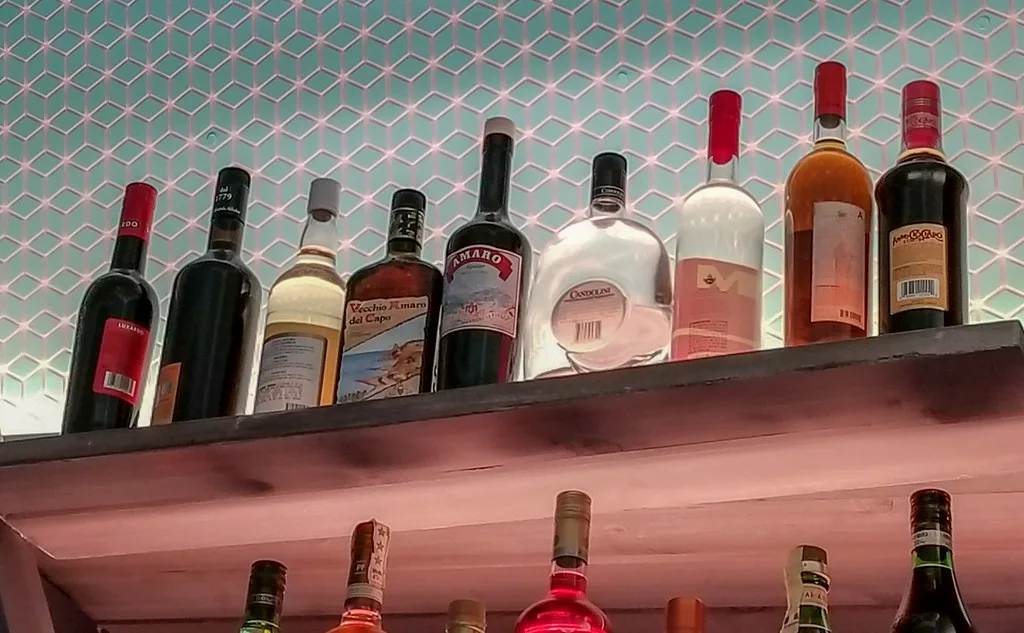
Amaro: the herbal digestivo spectrum from bitter to sweet
Amaro is the catch-all name for Italian liqueurs made from herbs, roots and spices, and the flavour runs from firmly bitter to quite sweet. That spectrum is the useful thing to know: if you dislike bitter drinks, ask for an amaro described as dolce (sweet) rather than one labelled amaro, since the name alone does not fix the style. They are usually served after the meal as a digestivo, though some are also drunk as an aperitivo.
Is grappa a liqueur? No. Grappa is distilled from grape pomace (the skins and seeds left after pressing), so it is a brandy rather than a liqueur.
What is the difference between aperitivo and digestivo? Aperitivo drinks are bitter and low in alcohol and are meant to open the appetite before the meal; digestivi are sweeter and stronger and are meant to finish it. Campari and red bitters are aperitivi, while amaro, limoncello, grappa, mirto and sambuca are generally digestivi.
How should I drink limoncello? Cold, in a small glass, after the meal. It is a digestivo made from lemon peel, usually kept in the freezer and served straight.
Ordering one is simple: ask for an amaro, and if the bar has several, ask which is the house pour or which is on the sweeter side. It typically arrives in a small tumbler, sometimes with ice on request, and is sipped slowly rather than knocked back. Treat it as a two-sip finish to a long lunch, not a round for the table.
Cynar and the bitter digestivi
Cynar is the amber, bitter-sweet liqueur infused with artichokes, with a flavour that folds in herbs, spices and citrus, and it works both as a digestivo and as a cocktail ingredient. It sits at the bitter end of the amaro world, so it is a good test of whether your palate leans bitter or sweet. If it is too much neat, ask for it with soda or over ice.
The bitter digestivi category rewards a cautious order: one small glass after the coffee, rather than a large pour before you have eaten. Because they are intense, they are often the last thing on the table and the first thing left unfinished. There is no shame in leaving half a glass.
Limoncello from Campania: chilled lemon peel after the meal
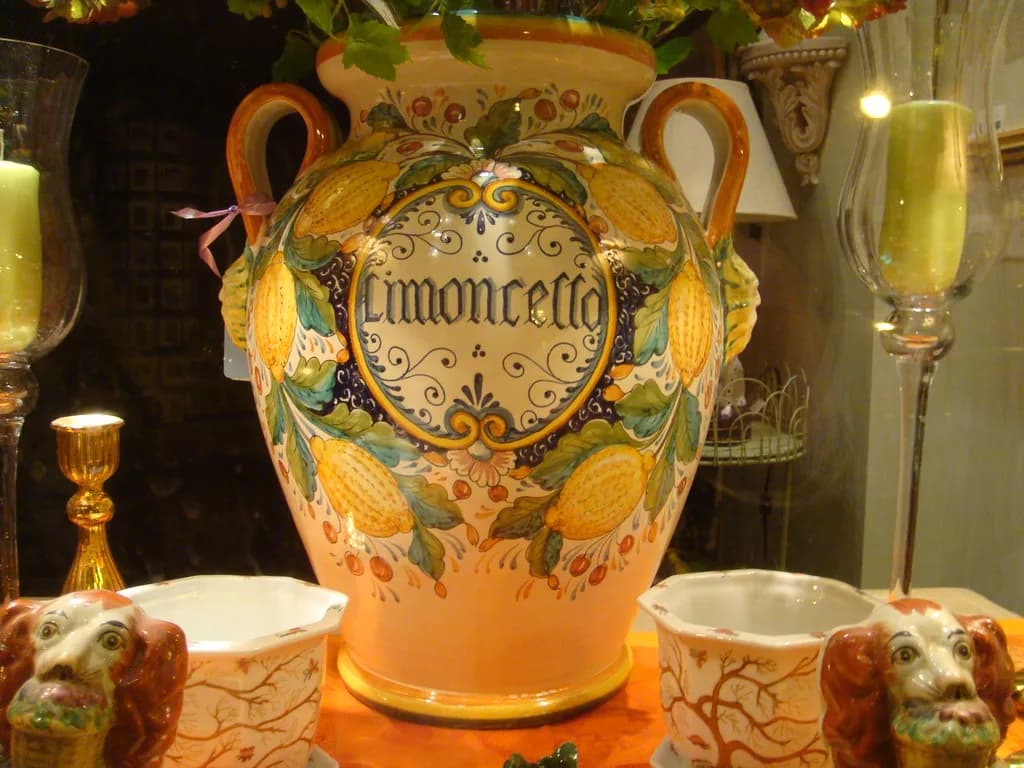
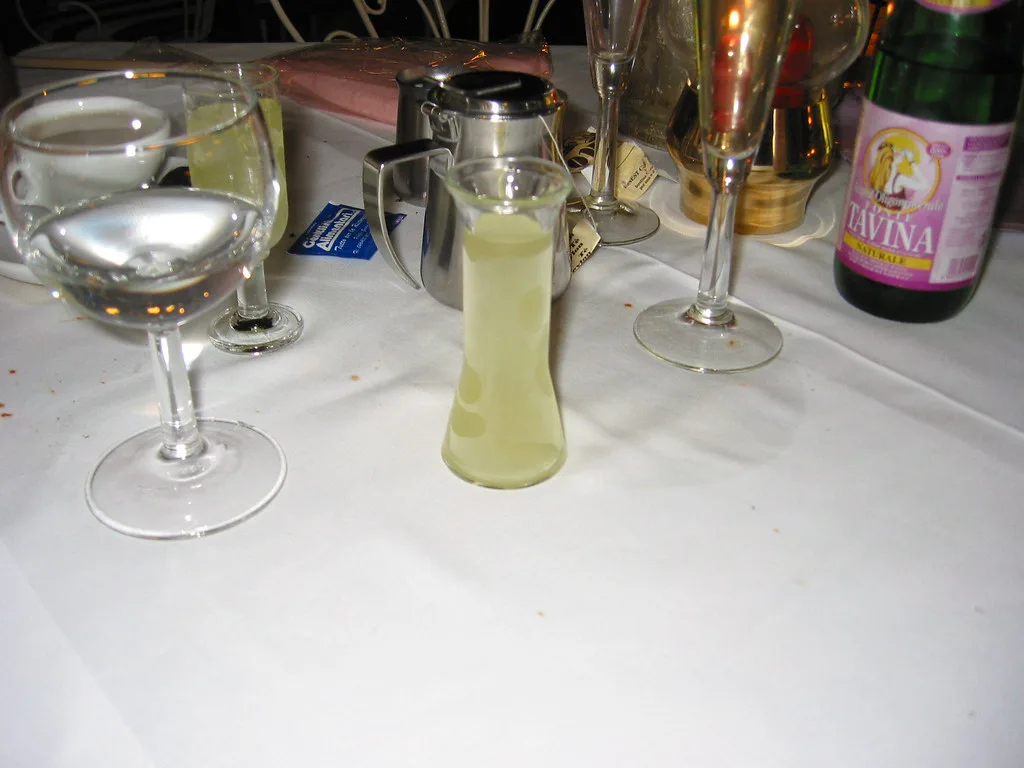
Limoncello is the Campania liqueur made from lemon peel, fresh and zesty, and it is normally served as a digestivo after a hearty meal or as a refreshing pick-me-up in hot weather. It is usually kept chilled, so expect a very cold, small glass. Our limoncello guide goes further into how it is made and where it fits on a menu.
Because it is sweet and sticky, one small glass is the sensible order after a long southern Italian dinner. If you are on the Amalfi Coast, it is worth trying a locally made version rather than a supermarket bottle, and the peel should smell fresh rather than synthetic. Sip it cold and slowly; it is not a shot.
Grappa: grape-pomace brandy, not a liqueur
Grappa is distilled from pomace, the skins and seeds left after pressing grapes, which makes it a grape-based spirit rather than a liqueur, and its character ranges from herbaceous to fruity depending on the grapes and the region. It is normally served as a digestivo, sometimes in cocktails, and it is stronger and drier than the sweet liqueurs on this list. Order it if you want a clear, grape-based finish rather than a syrupy one.
Grappa varies more than most drinks on a menu, so ask which one the house pours and whether it is young (giovane) or aged in wood. A small glass, sometimes with a drop of water, is the usual serve. Because it is strong, one glass after the meal is the moderate way to try it.
Mirto from Sardinia: myrtle-berry digestivo
Mirto is the Sardinian liqueur made from myrtle berries, with a fresh, balsamic flavour and the aroma of Mediterranean scrubland, traditionally served chilled or at room temperature. It is a digestivo, and on the island it is a common finish to a long lunch. Our mirto liqueur page covers the local versions in more detail.
If you are offered both the berry and the leaf versions, take the berry (mirto rosso) for the sweeter, fruitier finish. It works especially well after a seafood-heavy Sardinian lunch. One small glass is plenty.
Sambuca and anise: with coffee, not after it
Sambuca is a colourless liqueur flavoured with star anise, sweet and spicy, traditionally served as a digestivo and also drunk with coffee or used in cocktails. The aniseed flavour divides people sharply, so try a sip before ordering a second. It is a digestivo, not an aperitivo.
The classic serve is a small glass alongside an espresso, or a few drops in the coffee itself, which is a gentler introduction than drinking it neat. Some bars add a single coffee bean to the glass. Keep to one glass and finish the meal slowly.
Amaretto: sweet almond digestivo and the Disaronno name
Amaretto is the sweet, delicate almond liqueur made from almonds, peach or apricot pits, drunk worldwide as a digestivo and used in many classic cocktails. Disaronno is a well-known amaretto brand from northern Italy, and it is a common bottle to name if you want one. Served neat or over ice, it is a sweet finish rather than a bitter one.
If you find the bitter styles too much, amaretto is the safe order after dessert, though it is also sweet enough that one glass is the right amount. It is not a substitute for an after-dinner coffee, but it pairs well with one.
How to order and drink them
In Italy a liqueur is a small glass, sipped, and the temperature matters: limoncello from the freezer, mirto chilled or at room temperature, grappa and amaro often neat. Ordering a round of shots is not the local habit and will mark you out. Say un bicchiere, please keep it small.
Timing does the rest of the work. Aperitivi belong before the meal, digestivi after dessert and coffee. Asking for an aperitivo after dessert puts a bitter, low-alcohol drink at the wrong end of the evening.
The one ordering habit worth knowing is coffee: pay at the till first, then take the receipt to the bar. With liqueurs, you order from the table at the end of the meal and pay with the bill. House pours are often the best value and the most local choice.
Which bottle to try first
Start with an aperitivo, Campari with soda or a spritz, then move to a sweet digestivo, and only then try the bitter amari. If you like one, ask the brand name. That is the practical way to take a favourite home.
Keep to one small glass after dinner, and ask what the house is pouring if the list is unfamiliar. Ordering a liqueur in Italy is less about the brand and more about matching it to the right moment in the meal.
Explore more Italy food guides
Frequently Asked Questions
Is grappa a liqueur?
No. Grappa is distilled from grape pomace (the skins and seeds left after pressing), so it is a brandy rather than a liqueur. It is normally served as a small digestivo after the meal and is stronger and drier than sweet liqueurs such as limoncello or amaretto.
What is the difference between aperitivo and digestivo?
Aperitivo drinks are bitter and low in alcohol and are meant to open the appetite before the meal; digestivi are sweeter and stronger and are meant to finish it. Campari and red bitters are aperitivi, while amaro, limoncello, grappa, mirto and sambuca are generally digestivi.
How should I drink limoncello?
Cold, in a small glass, after the meal. It is a digestivo made from lemon peel, usually kept in the freezer and served straight. Sip it slowly rather than taking it as a shot, and one glass is enough after a long dinner.
What is amaro and how do I choose one?
Amaro is the Italian term for herbal liqueurs made from herbs, roots and spices, and the flavour ranges from bitter to sweet. If you prefer sweeter drinks, ask for an amaro described as dolce; if you want to test your palate, try a bitter one such as Cynar over ice or with soda.
Sources
Notes for your next meal in Italy
Optional updates to our food guides.
You might also like
Continue reading
More guides you'll find useful