Gorgonzola: What It Is, Dolce vs Piccante and How to Eat It
Gorgonzola is Italy's creamy blue cheese, sold as dolce or piccante. Learn what each tastes like, where it comes from and how to order it in Italy.
On this page
Ask for gorgonzola in Italy and you will be served one of two cheeses: dolce, the soft, creamy type, or piccante, the firmer, sharper one. Both are blue-veined cows' milk cheeses from Lombardy and Piedmont, and both carry the Gorgonzola DOP name. This guide explains how the cheese is made, how the two types differ, what the label tells you and which Italian dishes make the best use of it.
It is a kitchen cheese as much as a table cheese, stirred into risotto, melted into pasta sauces and crumbled over vegetables. Because it is generally eaten uncooked, it rewards a little care in buying and storing rather than long cooking.
What gorgonzola is
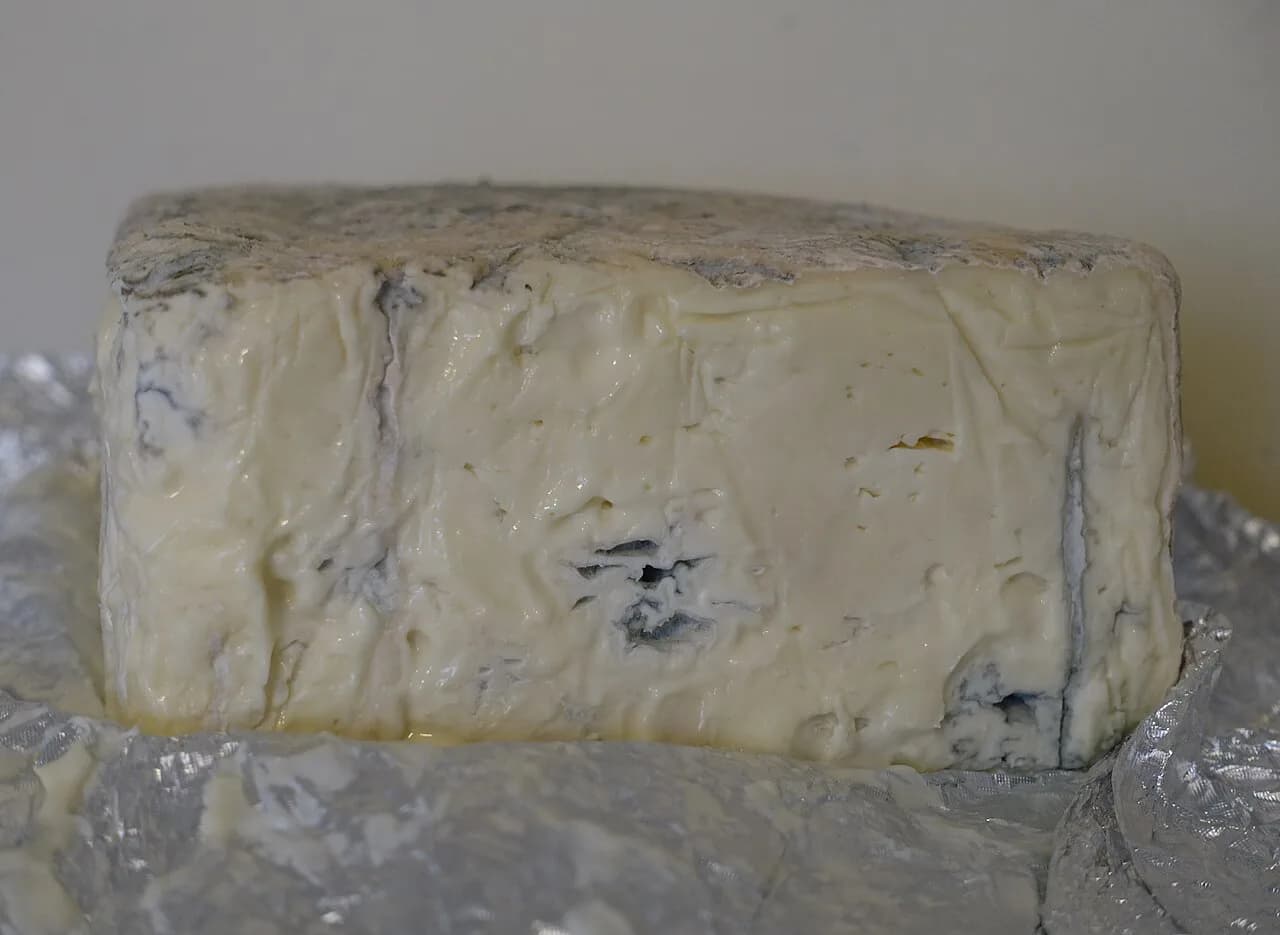
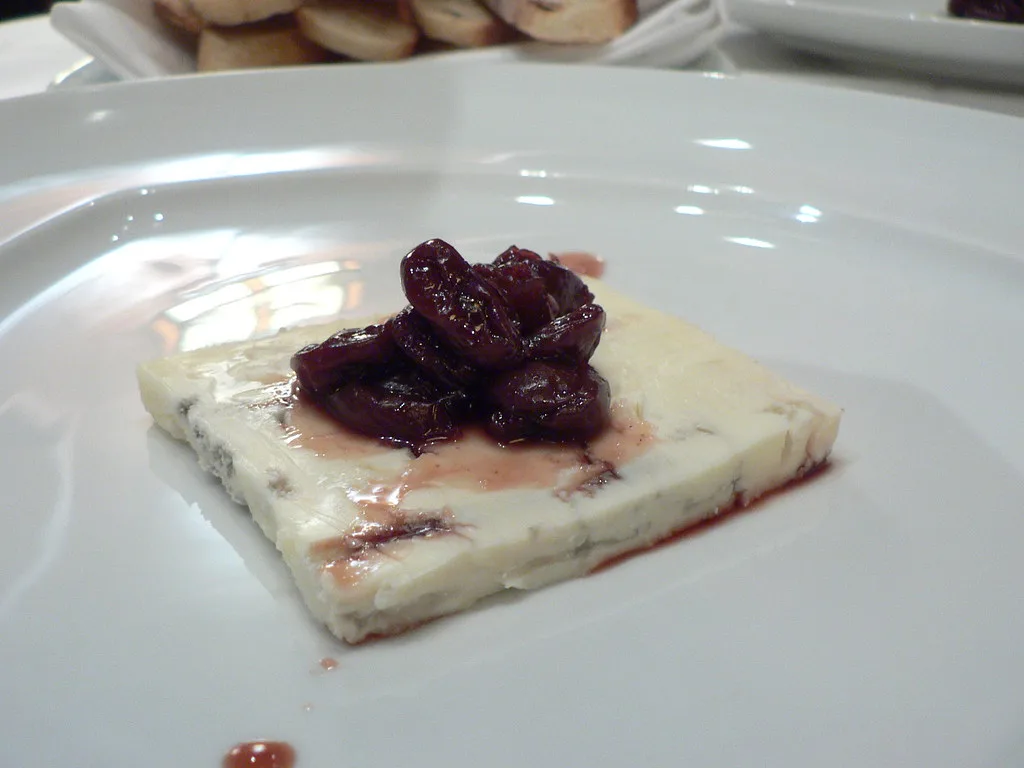
Gorgonzola is a blue-veined cheese made from cows' milk, pale yellow in the paste with greenish-blue streaks running through it. The Consortium for the Protection of Gorgonzola Cheese describes it as a creamy, intensely flavoured blue cheese and a flagship of Italian gastronomy. It sits among the great protected cheeses of the Italian larder, the same family that includes Parmigiano Reggiano and Grana Padano.
The cheese is a protected designation of origin product, meaning the name is reserved for cheese made to the consortium's rules within its defined area. The consortium regulates production to guarantee authenticity and quality. For a shopper, that protection is the useful part: the name on the label is a promise about where and how the cheese was made.
The flavour depends heavily on maturity, which is why two wedges of the same cheese can taste quite different. Young gorgonzola is mild, rich and creamy, while a more mature one turns strong and sharp. The British understanding of the cheese follows the same lines: rich and creamy when young, distinctively pungent as it ages.
How gorgonzola is made
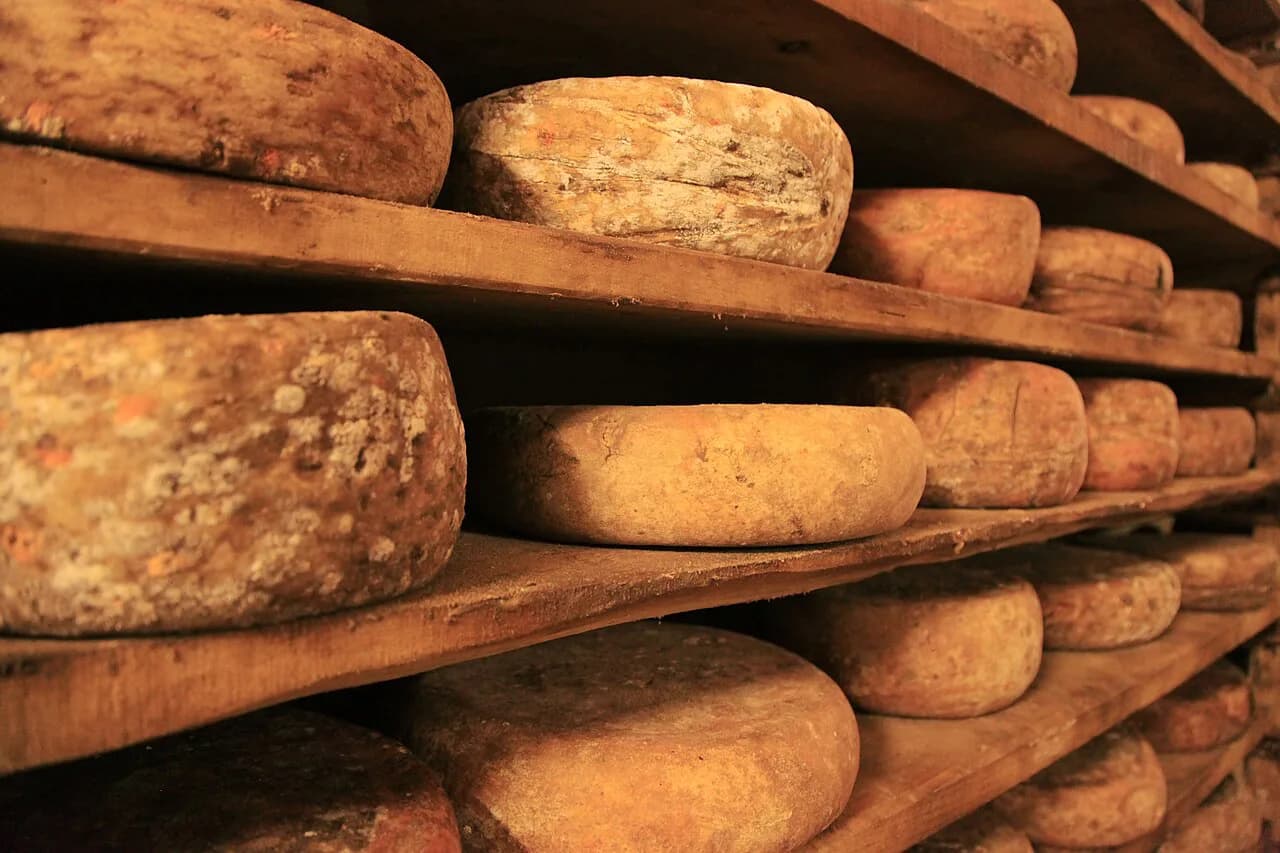
Milk is set, the curd cut and drained, and the young cheeses are then pierced so air reaches the interior. That aeration is what allows the blue-green mould to develop along the channels, producing the veining you see in a cut wedge. The consortium says production still follows centuries-old methods, using natural ferments and ageing in dedicated cellars.
What are the key differences between gorgonzola and feta? Gorgonzola is an Italian blue cheese made from cows' milk, with green-blue veining and a creamy texture in the dolce type or a firm, sharp texture in the piccante type. Feta is a Greek brined white cheese, with a salty, crumbly character and no blue veining.
Where is gorgonzola produced? Gorgonzola is produced in Lombardy and Piedmont, the two northern Italian regions named in the cheese's DOP rules. The town that gave the cheese its name lies near Milan, but the production zone covers dairies across a much wider area.
Is gorgonzola always blue? Yes. Gorgonzola is a blue-veined cheese by definition, and the consortium itself presents it as a blue-veined cheese.
The consortium links the cheese's tradition to certain territories of Lombardy and Piedmont and describes it as the result of an ancient tradition, presented as the official history by the body that regulates production today. What matters for eating is the ageing: the longer the cheese matures, the drier, firmer and sharper it becomes.
Dolce vs piccante: which one to ask for
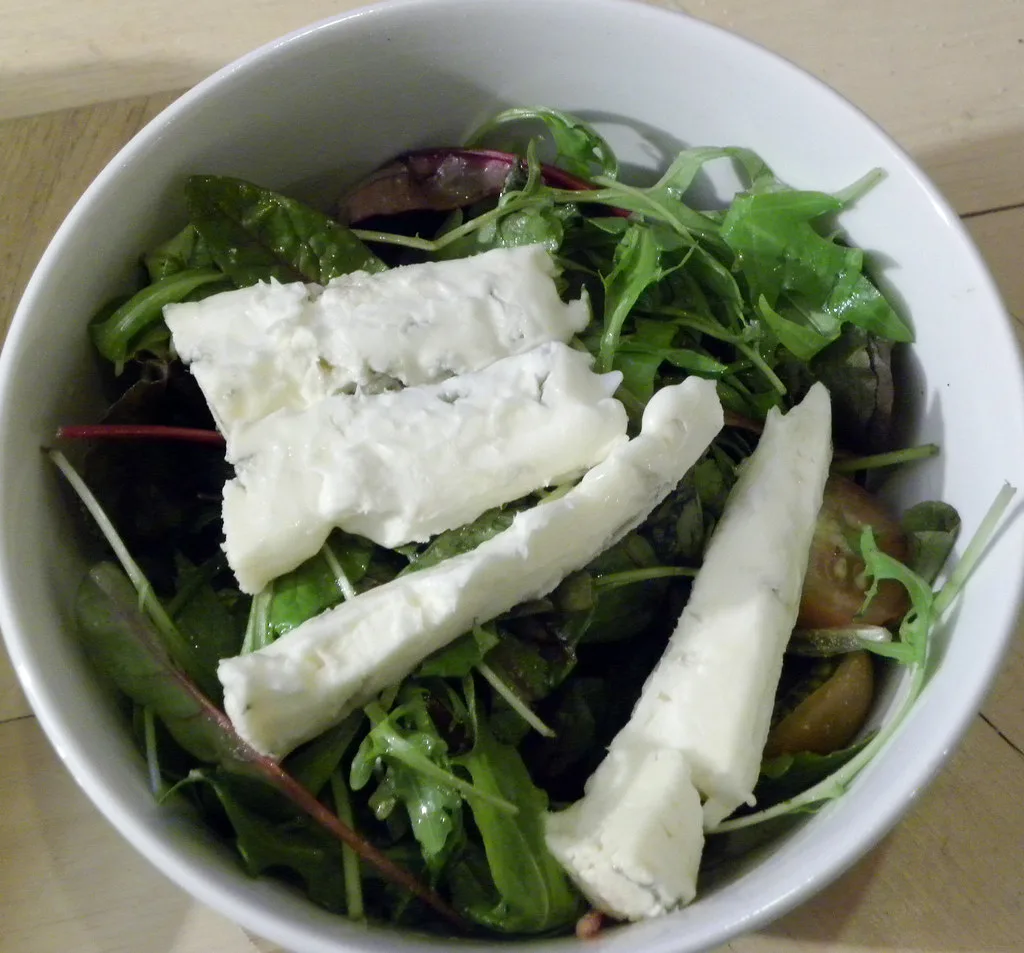
Gorgonzola dolce is the soft, creamy type, mild enough to eat by the spoonful and easy to spread. Gorgonzola piccante is firmer and sharper, with a more pronounced blue bite and a texture that crumbles rather than spreads. If you want a cheese for a salad or a board with honey and fruit, dolce is the safer choice; if you want something that holds its own against hearty flavours, ask for piccante.
In a shop or at a counter, the distinction is a buying decision, not a footnote: say dolce or piccante clearly, or point. A deli will usually have both, and the staff will cut to order. Blue cheese is not the only counter where naming the style pays off; the same is true of mozzarella di bufala and burrata, where freshness matters more than brand.
Where gorgonzola comes from
Gorgonzola is produced in Lombardy and Piedmont, the two northern regions named by the consortium as the cheese's home territories. The cheese takes its name from the town of Gorgonzola near Milan, but the production zone is wider than the town, covering dairies across both regions.
The link between place and name is what the DOP system protects. If you see Gorgonzola on a label abroad, it should be the Italian cheese made under those rules, not a generic blue cheese borrowing the word. That is worth knowing when you are buying from a deli counter or a supermarket shelf at home.
How to buy it
Look for the full name Gorgonzola DOP and the consortium's mark on the packaging or the rind. If you are buying from a counter, ask which type it is and how long it has been aged, since maturity drives the flavour far more than brand does. A wedge cut fresh from a whole cheese will be in better condition than a pre-wrapped piece that has sat around.
Buy in portions you will eat within a few days. Blue cheese is robust, but it dries out once cut, and a small piece wrapped tightly keeps far better than a large one slowly going hard at the back of the fridge. If you are assembling a cheese board for a group, buying two smaller wedges of different ages gives more interest than one large piece.
How to eat it
Most gorgonzola in Italy is generally eaten uncooked: on a cheese board, crumbled into salads, mashed into a dressing or folded into a dip. That is partly practical, because the cheese is rich and creamy and loses its texture when overheated. Plan it as a finishing ingredient rather than something to cook for a long time.
At the table, pair dolce with fresh fruit, honey or walnuts and let piccante sit alongside something sweet to balance it. In a salad, a few crumbles go a long way, especially with bitter leaves such as radicchio, which the consortium itself highlights in recipes. A drizzle of good Italian olive oil over the cheese is a simple, very Italian way to serve it.
If you are building a board for people who are unsure about blue cheese, start with dolce and let it warm slightly out of the fridge before serving. Cold mutes the flavour and firms the texture, so a short rest at room temperature makes a noticeable difference. Keep piccante for the guests who already know they like it.
Gorgonzola in Italian cooking
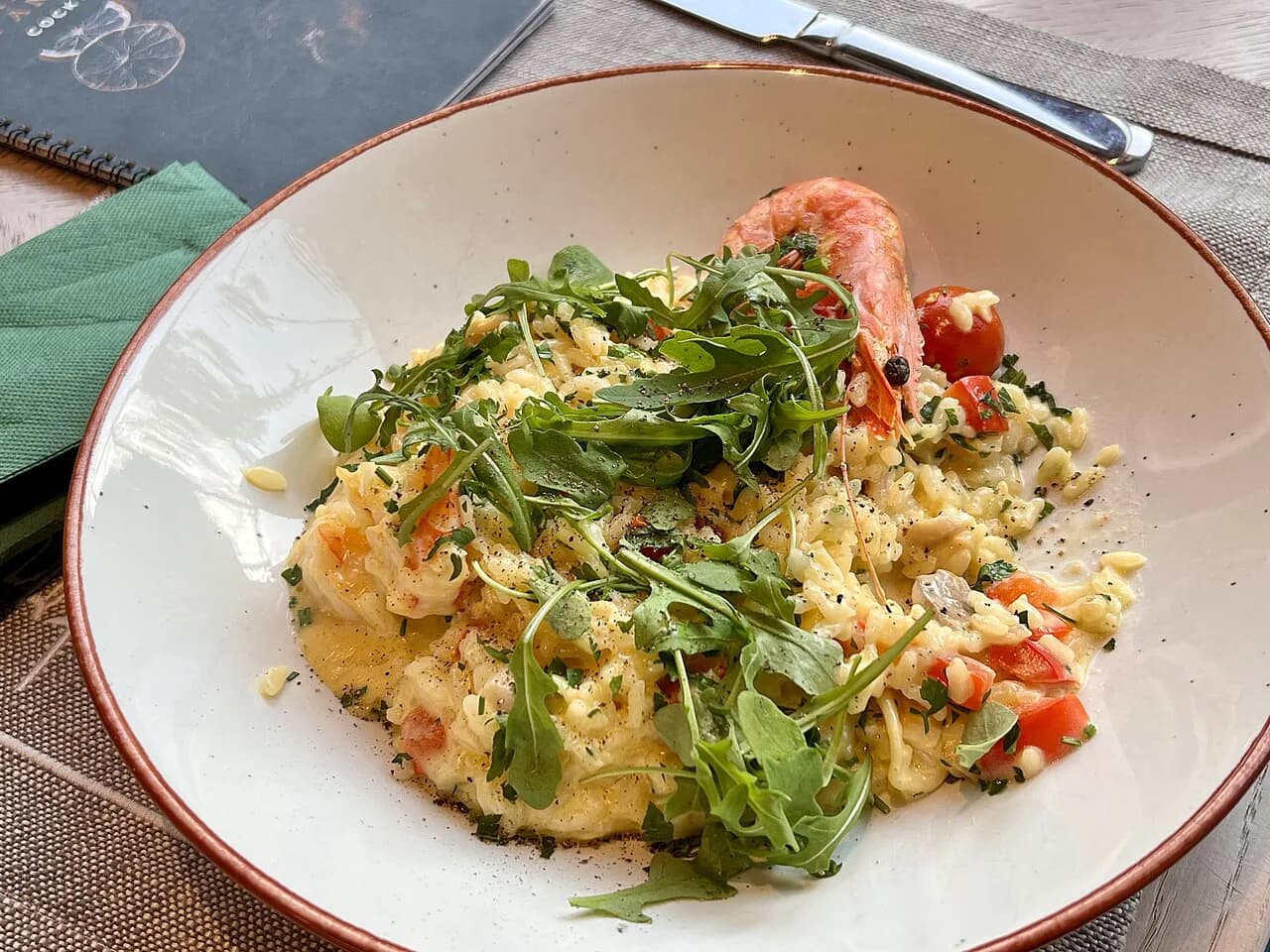
Risotto is the classic cooked use: the cheese is stirred in at the end, off the heat, so it melts into the rice without splitting. The consortium publishes risotto recipes and notes that rice and grape harvests mark the season for it, which is why gorgonzola risotto turns up on autumn menus. Pair it with a simple salad rather than a heavy second course.
In pasta sauces, gorgonzola is usually melted with cream or butter and tossed through short shapes that hold the sauce. It also appears on pizza, often with vegetables such as pumpkin or with cured meats, and the consortium lists pizza among its recipe categories. For a starter, try it in a warm vegetable dish rather than a heavy baked one.
Vegetables are the most useful partner: cauliflower, aubergine, pumpkin and bitter greens all carry the cheese well. The consortium's recipe collection leans on these combinations, including pumpkin fries with a gorgonzola sauce and aubergine rolls. If you are cooking at home, treat the cheese as a sauce or a topping rather than the main event.
What to order in Italy
On an Italian menu, look for gorgonzola in risotto, in a pasta sauce, on a pizza or as part of an antipasto board. It also turns up in fillings and stuffings, and in a dressing for cooked or raw vegetables. When a dish simply says gorgonzola, you can ask whether it is dolce or piccante.
A cheese course is the best place to taste it plainly. Ask for a selection with honey, mostarda or fruit, and taste dolce first, then piccante, to see the difference for yourself. If you prefer a single cheese, order gorgonzola with pears or walnuts and skip the rest of the board.
Storing and serving at home
Wrap the cheese tightly and keep it cold; take out only what you plan to eat and let it come up in temperature for a few minutes before serving. Blue cheese keeps longer than soft fresh cheeses, but it still dries out at the cut face. If the surface hardens, trim it rather than discarding the whole piece.
For cooking, melt the cheese gently and off the heat where possible, then stir it through rice or pasta at the last moment. That preserves the creaminess and keeps the blue flavour from turning harsh. In a sauce, start with a small amount and taste before adding more.
Same cows, different rules: gorgonzola beside other Italian cheeses
Gorgonzola shares its raw material with the great northern grana cheeses but not its method, and comparing the two explains a lot about how DOP rules work in practice. Parmigiano Reggiano is made from raw cows' milk in a tightly defined zone around Reggio Emilia and neighbouring provinces, and its production is inspected at every stage. Reading the rules behind each name is the fastest way to understand what you are paying for at a deli counter.
Which gorgonzola should you buy?
Start with dolce if you want a soft, creamy cheese for a board, a salad or a sauce, and choose piccante when you want a firmer, sharper cheese that can stand up to bold flavours. Buy the DOP-labelled cheese, ask which type you are being sold, and eat it uncooked most of the time.
If you are cooking it into a risotto or pasta, add it at the end and taste as you go. If you are serving it plain, give it a few minutes out of the fridge and pair it with fruit, honey or bitter leaves.
Explore more Italy food guides
Frequently Asked Questions
What are the key differences between gorgonzola and feta?
Gorgonzola is an Italian blue cheese made from cows' milk, with green-blue veining and a creamy texture in the dolce type or a firm, sharp texture in the piccante type. Feta is a Greek brined white cheese, with a salty, crumbly character and no blue veining. They behave differently in cooking, so they are rarely interchangeable in a recipe.
Where is gorgonzola produced?
Gorgonzola is produced in Lombardy and Piedmont, the two northern Italian regions named in the cheese's DOP rules. The town that gave the cheese its name lies near Milan, but the production zone covers dairies across a much wider area.
Is gorgonzola always blue?
Yes. Gorgonzola is a blue-veined cheese by definition, and the consortium itself presents it as a blue-veined cheese. The amount of veining can vary between cheeses and with maturity, but the blue mould is part of the protected product.
Sources
Notes for your next meal in Italy
Optional updates to our food guides.
You might also like

Continue reading
More guides you'll find useful