Pecorino: A Guide to Italy's Sheep's Milk Cheeses
Pecorino is any Italian cheese made from sheep's milk, from fresh Marzolino to aged Toscano. Here is what the styles taste like and how to order them.
On this page
Pecorino is any Italian cheese made from sheep's milk, and the name comes from pecora, the Italian word for sheep. It is a family rather than a single product, so the same word on a counter can mean a soft, buttery round eaten within weeks or a hard, tangy wheel aged a year. This guide explains the styles, the ageing bands that change flavour and texture, the Tuscan PDO and how to order with confidence. For the wider family, see our guide to Italian cheese.
Five regions stand out for pecorino: Sardegna, Sicilia, Basilicata, Calabria and Tuscany. Sheep farming in Tuscany reaches back to Etruscan times, and the region's mixed woods and grassy meadows suit grazing. Expect big differences between one counter and the next, so taste before you commit to a whole wedge.
What pecorino means
Any cheese made from sheep's milk is a pecorino, a broad category rather than a protected name. Italy has made sheep's-milk cheese for thousands of years, with written accounts placing it at Roman imperial banquets before it travelled abroad. That long history explains why so many regions have their own version and why recipes differ so much from place to place.
For a wider map of Italy's cheeses, from cow's-milk stalwarts to buffalo-milk specialities, see our guide to Italian cheese. It helps to know where pecorino sits alongside the better-known names before you start choosing at a case. Treat pecorino as the sheep's-milk branch of a very large family.
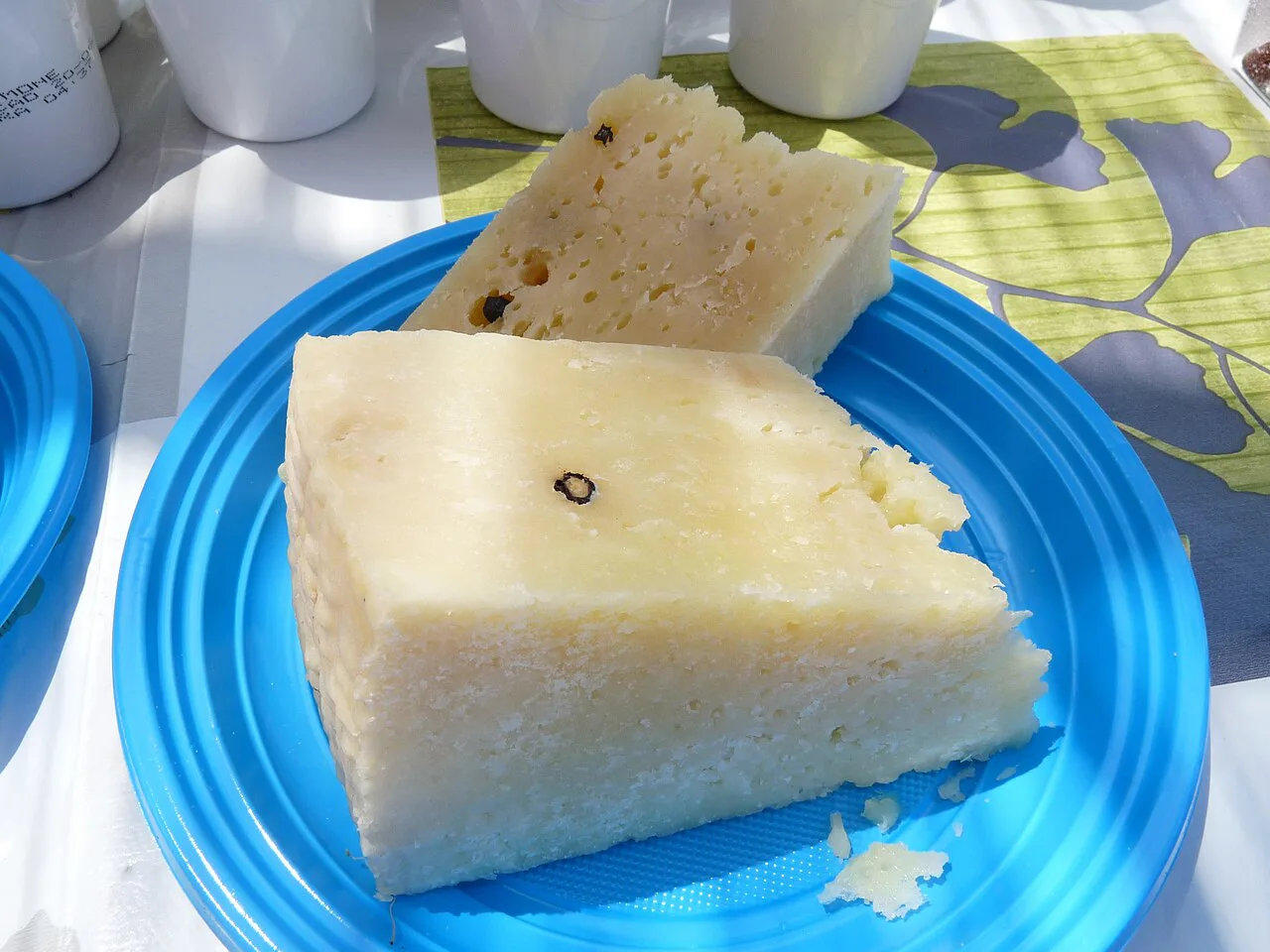
Why pecorino is not one cheese
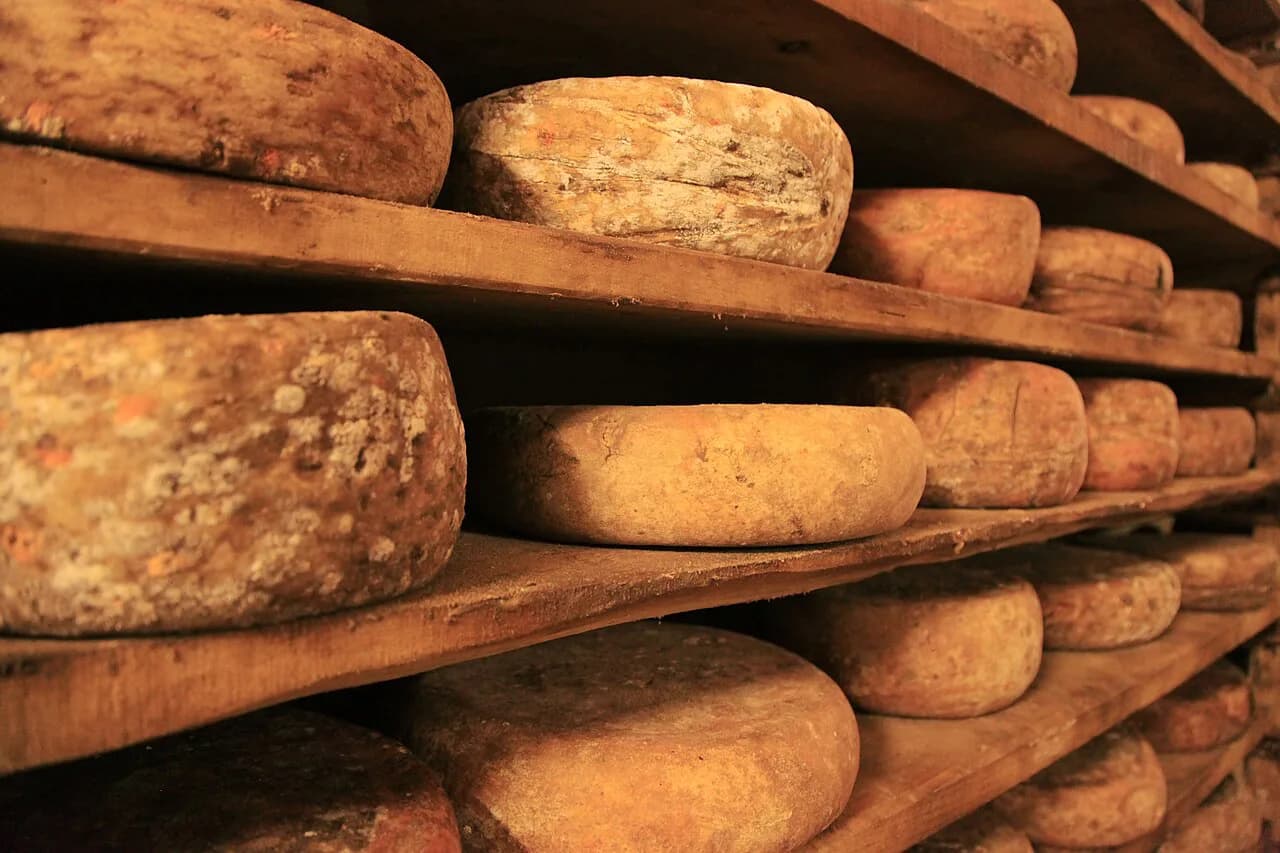
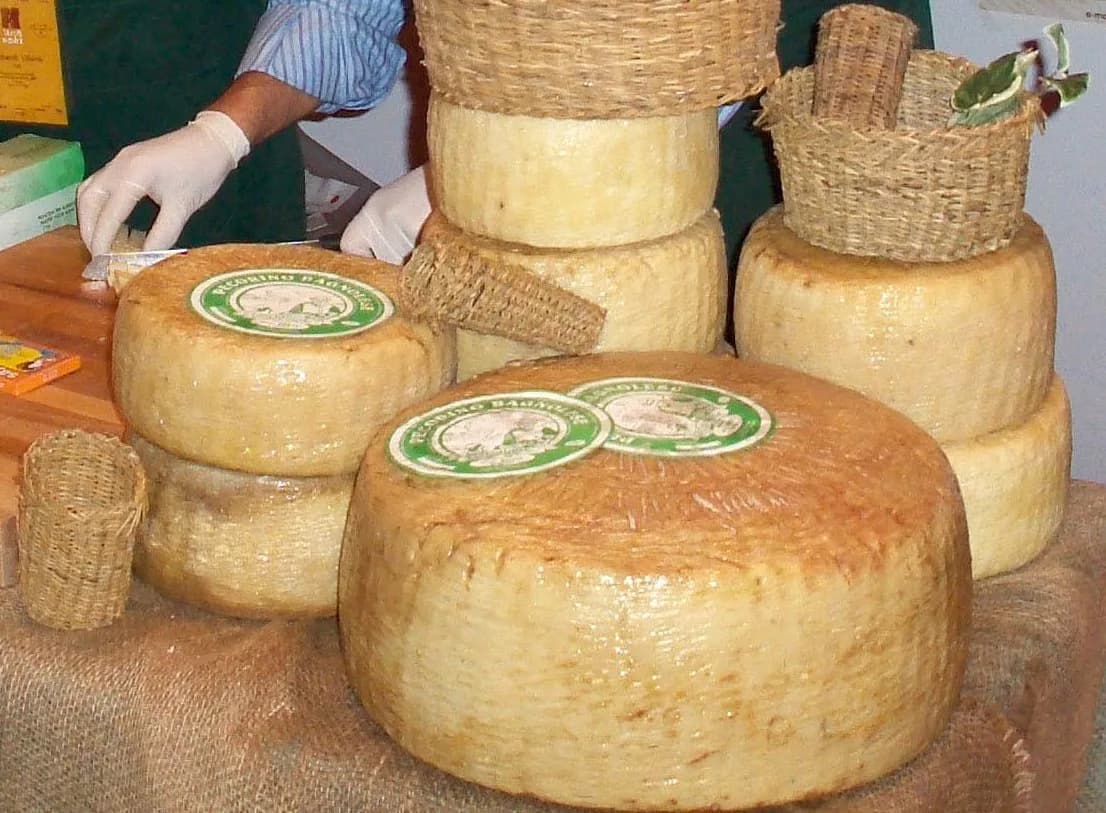
Age is the single biggest variable. A young pecorino is soft, pale and mild, while a long-aged one is hard, drier, deeper yellow and sharply savoury. Size matters too: to age well, a cheese usually needs to be a large form, because small rounds dry out too easily. That is why the big wheels on a counter are often the oldest.
What is the difference between Pecorino Romano and Pecorino Toscano? Pecorino Toscano is the certified Tuscan sheep's cheese, made under consortium rules in designated areas and sold as either Fresh or Aged. Pecorino Romano is a different regional cheese with its own production rules, so the two are not interchangeable even though both are sheep's-milk cheeses.
How does aged pecorino compare with Parmigiano Reggiano for grating? Both are hard grating cheeses, but pecorino is made from sheep's milk and tastes sharper and tangier, while Parmigiano Reggiano is made from cows' milk and tastes nuttier and less sharp. Use pecorino where you want that sheep's-milk tang, and Parmigiano Reggiano where you want the milder cow's-milk character.
Pecorino Toscano PDO is governed by a consortium with designated production areas and rules, and it certifies cheese as either Fresh or Aged. That gives you a reliable label to look for when you want a Tuscan cheese with a defined identity. Other regions make excellent pecorino too, but they follow their own rules.
Fresh pecorino and Marzolino
Marzolino is a fresh cheese made in spring, when sheep graze on lush green grass; the name translates as little March. The milk is often set with vegetable rennet extracted from a plant related to artichokes, and the cheese is ready to eat in about five days. It is delicate and fleeting, the sort of thing to buy in small amounts and eat quickly.
Pecorino fresco is the broader fresh style: rounds often weigh around 2kg, with a thin, pale rind and a smooth, soft interior. It is mild and buttery, and it is aged between 20 and 60 days. Ask for it when you want something to eat on its own or with bread rather than to grate.
Aged pecorino: the hard, tangy cheese
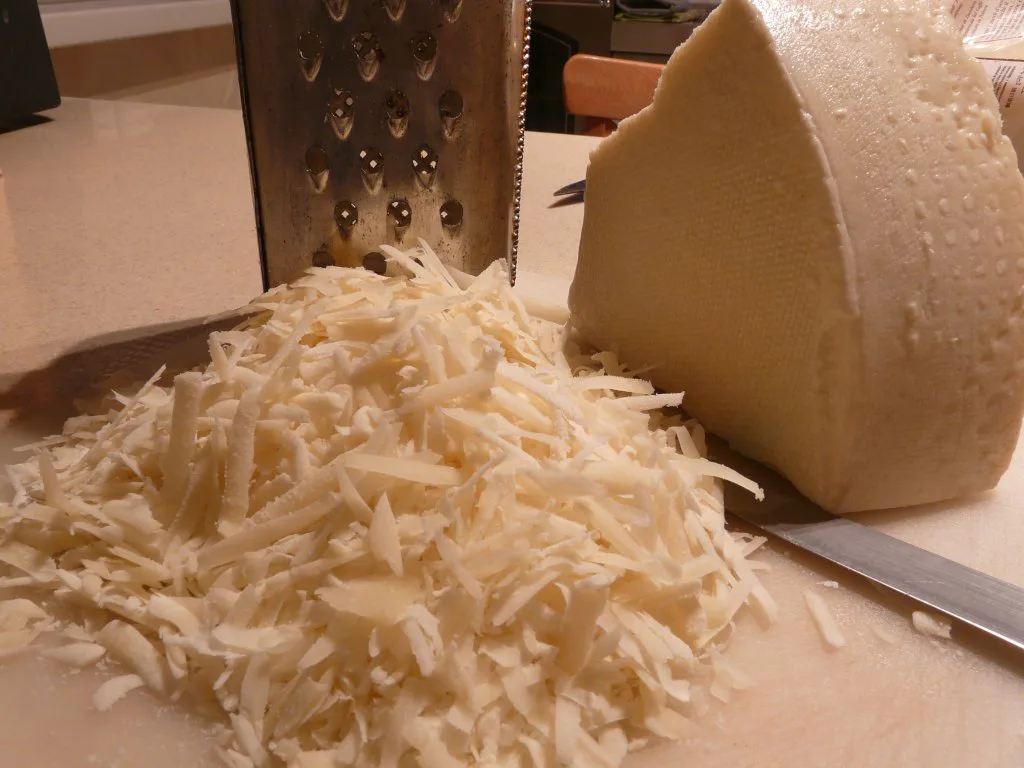
To be sold as pecorino stagionato, the cheese must age for at least 120 days, and many producers go to a year or more. Ageing firms the paste, dries it slightly and builds a strong, tangy flavour. In Tuscany and beyond, aged pecorino has long been grated over pasta much as Parmigiano Reggiano is used further north; our page on Parmigiano Reggiano covers the cow's-milk grating tradition it is often compared with.
Between fresh and fully aged sits semi stagionato, sold by many producers though not recognised in the PDO rules. These cheeses are usually aged two to four months, and the result depends on the individual producer and the size of the round. It is a good middle choice if you find fresh too mild and long-aged too aggressive. For the cows'-milk grating tradition it often replaces, see our page on Parmigiano Reggiano, made in Reggio Emilia from raw cows' milk.
Pecorino Toscano and the consortium
Pecorino Toscano PDO is the certified Tuscan sheep's cheese, split into Fresh and Aged categories under consortium rules. The consortium sets the production areas and the conditions a cheese must meet to carry the name, which makes the label a useful anchor. When a counter lists Pecorino Toscano, you know you are getting a defined cheese rather than a generic sheep's-milk one.
Ricotta often comes from the same dairies: the leftover whey is heated, often in a copper cauldron, until the curds float and are skimmed off and drained. The name means recooked, which describes the process exactly. Buy it fresh and use it within a few days.
The flavoured pecorinos
Producers flavour sheep's cheese with a range of additions: saffron, walnuts, grape must, white and black truffles, and edible moulds. Grape must produces the so-called drunk cheese, a style with a darker, sweeter edge. These are worth trying in small pieces because the additions can mask the cheese's own character.
If truffle is what draws you in, our guide to Italian truffles explains the difference between the prized white truffle and the more affordable black varieties. A truffled pecorino is a pleasant way to meet the flavour without committing to a whole truffle.
Moliterno and other southern pecorini
Beyond Tuscany, Pecorino Moliterno comes from the town of that name in Basilicata, made from sheep's milk and aged for several months in a cool, damp cellar. Cheeses in this family are semi-hard to hard, firm and granular, turning crumblier as they mature, with a strong tang and sometimes nutty, faintly sweet notes underneath. Some versions are wrapped in straw or leaves during maturation, which shapes the rind and the taste.
On a board, a southern pecorino of this kind holds up against fruit, nuts and honey, and it can be shaved over pasta, risotto or salads where a bold salty edge is wanted. Buy it in a piece rather than pre-grated so you can see how dry the paste has become. A very firm, crumbly wedge is best used for grating.
How to eat pecorino
On a board, pecorino works with Tuscan honey, fig and other jams and jellies, and mustards. The sweetness and acidity cut through the salt and fat of an aged cheese, while a fresh one needs very little beside it. Serve at room temperature and slice thin for the hard styles.
In the kitchen, grate aged pecorino over pasta in place of other hard cheeses, or shave it over beans and greens. Fresh pecorino is better eaten as it is, perhaps with bread and a little Italian olive oil. Keep the flavoured ones for a board rather than a sauce, where their additions would get lost.
What to ask for at a salumeria
Say how you plan to eat it. If it is for a board, ask for something aged and let them cut a thin slice to taste; if it is for grating, say so and ask for the hardest piece. For eating fresh, ask what came in most recently.
The word pecorino alone will not get you far, because the counter may stock three or four. Ask whether it is fresco, semi stagionato or stagionato, and whether it carries Pecorino Toscano PDO. Compare two ages side by side when the shop will allow a taste, which is the quickest way to learn your own preference.
Which pecorino to buy first
Start with a fresh pecorino and a stagionato from the same counter so you can taste the effect of ageing directly. Add a Pecorino Toscano PDO if you want a certified benchmark, then branch into flavoured versions once you know your preference. Buy small, taste before committing and keep fresh cheese for eating rather than cooking.
Explore more Italy food guides
Frequently Asked Questions
What is the difference between Pecorino Romano and Pecorino Toscano?
Pecorino Toscano is the certified Tuscan sheep's cheese, made under consortium rules in designated areas and sold as either Fresh or Aged. Pecorino Romano is a different regional cheese with its own production rules, so the two are not interchangeable even though both are sheep's-milk cheeses. At a counter, ask which one you are being offered.
How does aged pecorino compare with Parmigiano Reggiano for grating?
Both are hard grating cheeses, but pecorino is made from sheep's milk and tastes sharper and tangier, while Parmigiano Reggiano is made from cows' milk and tastes nuttier and less sharp. Use pecorino where you want that sheep's-milk tang, and Parmigiano Reggiano where you want the milder cow's-milk character.
Sources
Notes for your next meal in Italy
Optional updates to our food guides.
You might also like


Continue reading
More guides you'll find useful