Mirto Liqueur: Sardinia's Myrtle Drink Explained
Mirto is Sardinia's myrtle liqueur, made in red and white versions from berries and leaves. Here's what it tastes like and how to order it after a meal.
On this page
Mirto is a Sardinian liqueur made by infusing myrtle berries or leaves in alcohol, and it is the drink most often put in front of you at the end of a Sardinian meal. It is usually served neat and chilled in a small glass, and it belongs to the same after-dinner moment as amaro elsewhere in Italy. This guide covers the difference between red and white mirto, how a bottle is made, what it tastes like, how to order it and what to look for when you buy one to take home.
The drink is tied to the island, and the producer Sannai in Olbia traces commercial production of mirto only to the mid-1970s, with a producers' association set up in 1994 to regulate how it is made. That short commercial history matters when you taste it: many Sardinians still make their own at home, and those bottles vary far more than the commercial ones.
What mirto liqueur is and where it comes from
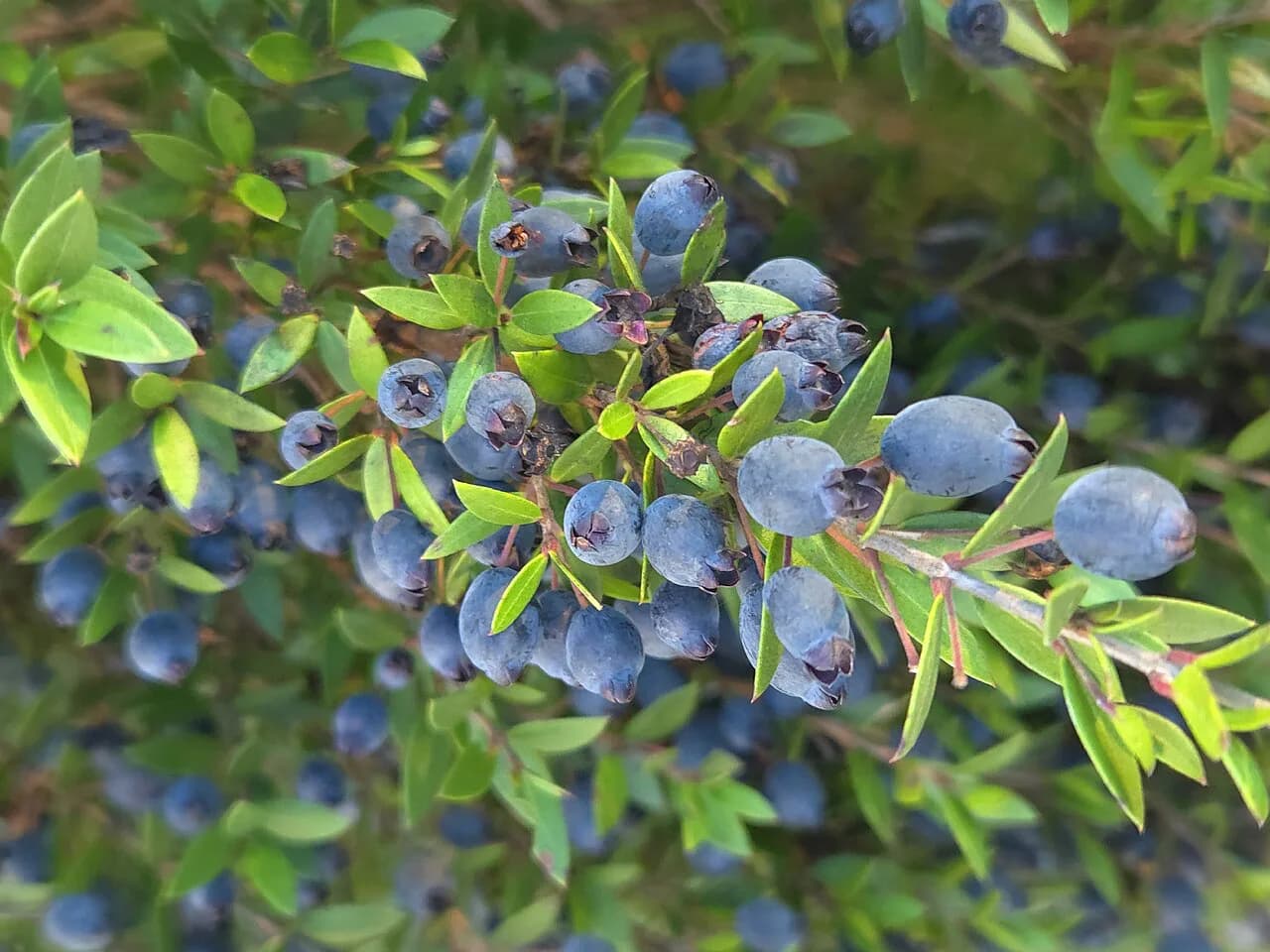
Mirto is a liqueur built on the myrtle plant, a shrub that grows wild across Sardinia and around the Mediterranean. The berries, and sometimes the leaves and buds, go into alcohol or brandy, and the result is sweetened and left to rest before bottling. It is a digestivo rather than a mixer, judged by how much of the plant you can taste through the sugar.
Sannai's own account of the history mentions myrtle wines sweetened with honey in Roman times and local references from the early nineteenth century, when ripe berries were eaten after meals or steeped in pure alcohol or brandy. Treat those as the producer's telling of a long oral tradition rather than settled history. What is clear is the family dimension: each household kept its own recipe and handed it down, which is why two Sardinian mirto bottles rarely taste alike.
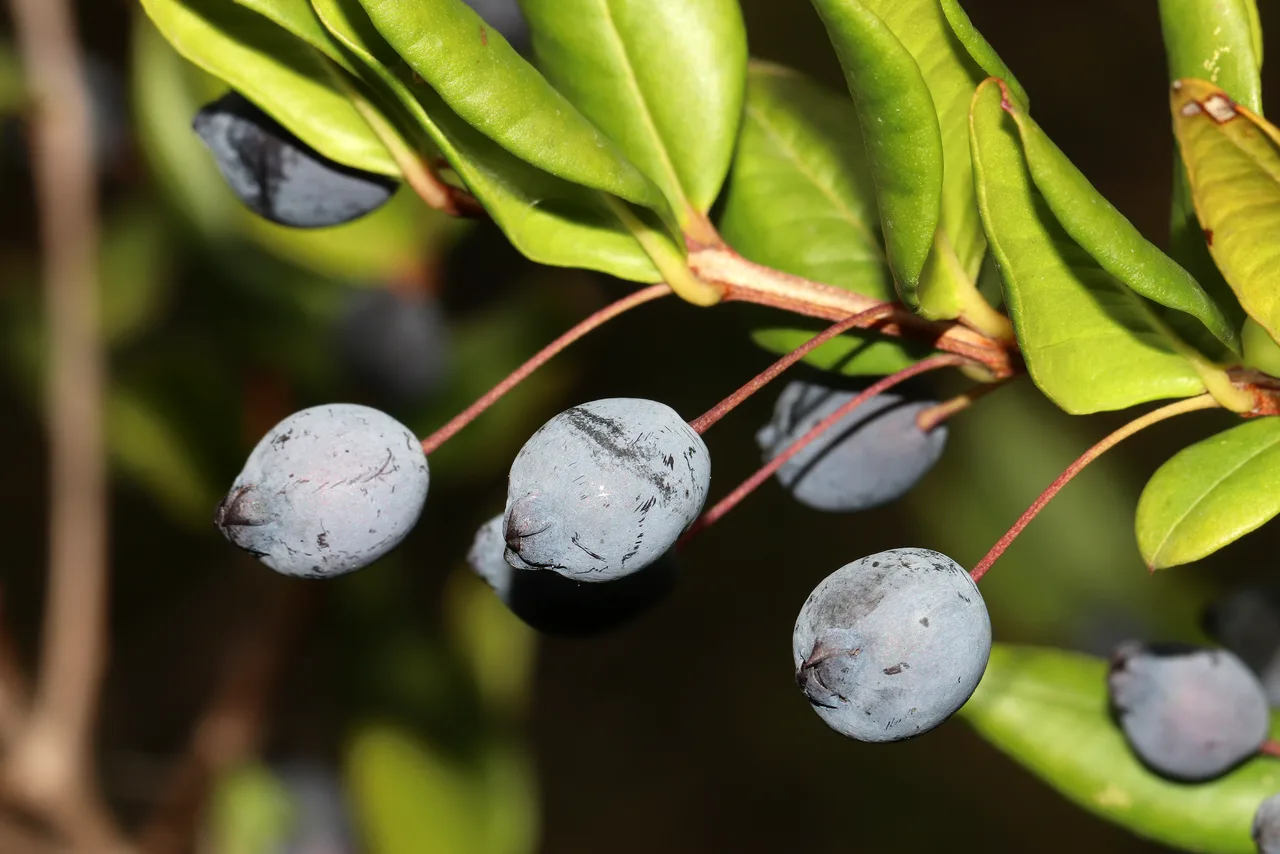
Red, white and green mirto: berries, pale berries and leaves
Sannai names three distinct styles, which is a useful way to read a label. Red mirto (mirto rosso) comes from pigmented berries, white mirto (mirto bianco) from white or pink berries, and green mirto from leaves and buds. Red is the version you will meet most often in Sardinia, and green pushes furthest towards the herbal, resinous side of the plant.
Is mirto a blueberry liqueur? No. Mirto is made from the myrtle plant, a Mediterranean shrub, not from blueberries.
What is the producers' association for Sardinian mirto? Sannai records that in 1994 a manufacturers' association for mirto liqueur of Sardinia was set up to protect the product and the consumer, regulating production and safeguarding authenticity. A bottle linked to that association is the intended consistent product, while small artisan and home bottles remain the variable ones.
Can you make a cocktail with mirto? Yes. The mirto spritz takes the spritz pattern and swaps in myrtle liqueur.
Expect the house convention to rule rather than a fixed national rulebook. A producer may make one style only, with a single recipe, and the name on the bottle tells you more than the colour alone. If you only try one and want the classic Sardinian flavour, order the red; if you want to see whether you enjoy the plant itself, ask whether a green or a leaves-and-berries version is on offer.
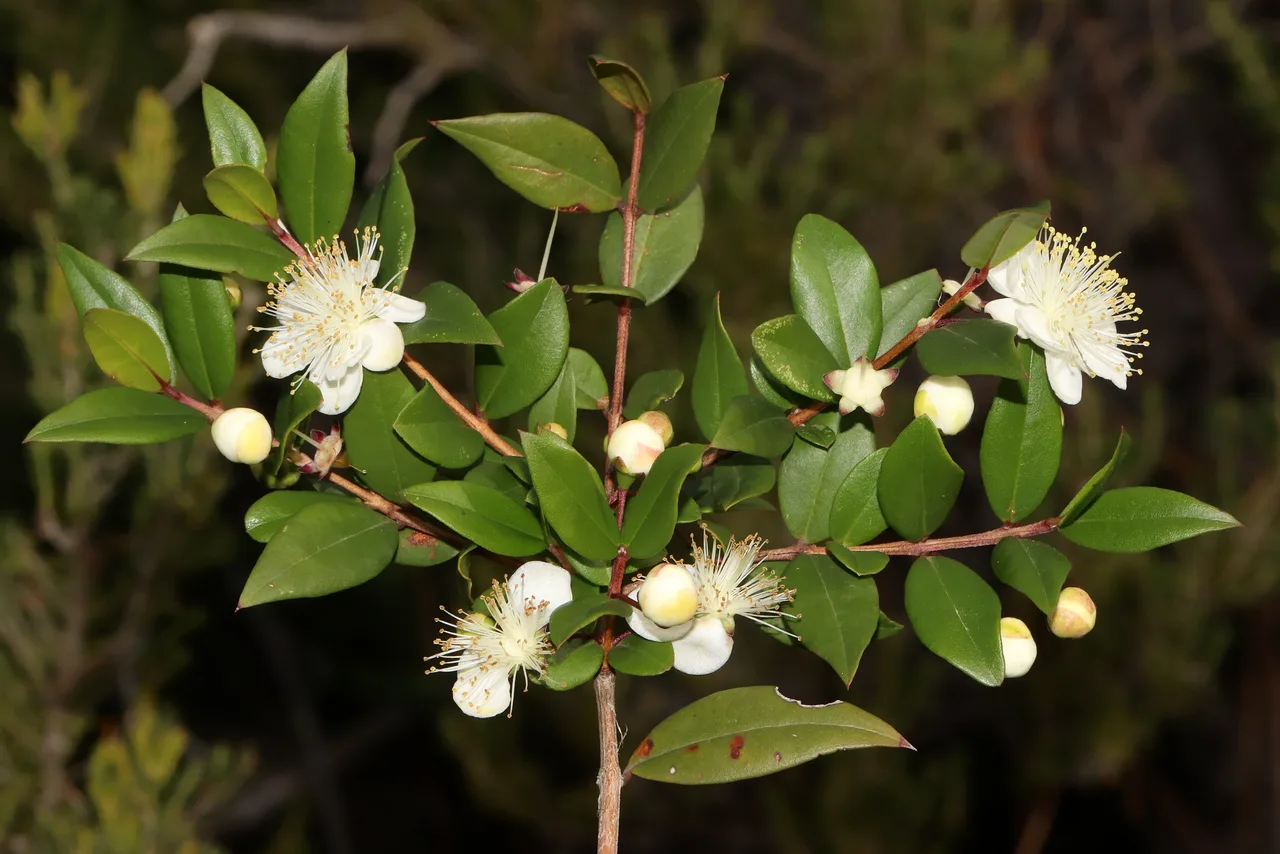
How mirto is made, from families' own recipes to small producers
The process is straightforward in outline and varies endlessly in detail. Berries or leaves are steeped in alcohol or brandy for a period the maker chooses, the liquid is sweetened, and the whole is rested so the flavours settle. Sannai describes its own work as handcrafted in a small operation, and sets that against commercial mirto made on a larger scale, which is the split that decides what a bottle actually tastes like.
The producers' association founded in 1994 was created to protect the product and the consumer by regulating production and safeguarding authenticity. For a traveller, a bottle carrying mirto di Sardegna is intended as a regulated, consistent product, while a small artisan bottle is the personal, variable one. Neither is automatically better: the regulated bottle is the safer introduction, and the artisan one is where you find the individuality.
What mirto tastes like and why it is served after a meal
Mirto is sweet, but the sweetness carries a green, balsamic, faintly bitter myrtle flavour rather than a plain fruit note. Red mirto leans towards dark berries; white is lighter; green mirto pushes the herbal, almost pine-like side of the plant forward. It is not a blueberry drink, whatever the colour of a red bottle suggests.
It is served after the meal because that is the tradition it grew out of, once as ripe berries eaten as a digestive and later as an infusion taken on the same principle. Sannai also repeats a popular claim that mirto carries more antioxidants than other Mediterranean diet foods; treat that as the producer's marketing rather than a nutritional fact to plan your evening around. A small glass is enough, and it works best as a slow, final punctuation mark to lunch or dinner.
How to order and drink mirto in Sardinia: chilled, in a small glass, after dessert
Ask for mirto at the end of the meal, and specify rosso or bianco if the restaurant stocks both. It should arrive well chilled and in a small glass. Part of the point is that the cold tightens the sweetness, so let it sit a moment before the first sip.
This is not a large pour, and there is no need to treat it as one. Sip it slowly after coffee, and if the glass is very generous, leave some: the point is the flavour, not the volume. If a venue carries both styles, asking which is on offer is a fair question.
The same after-meal rhythm applies if you are drinking a different northern digestivo on the same trip, like a small grappa. If you want a proper background on how Italians handle the closing drink, our guide to Italian liqueurs is a good place to start.
Mirto beyond neat: the mirto spritz and other ways to serve it
Mirto also turns up in the mirto spritz, a drink that borrows the spritz formula and swaps in myrtle liqueur. A published mirto spritz recipe exists, so treat it as a real, current use of the bottle rather than a curiosity. It makes a different drink from a spritz based on the usual bitter aperitivo: the myrtle flavour is sweeter and more herbal. If you are drinking it before dinner on the island, our Aperitivo in Olbia: How It Works and Where to Have One covers where to sit down for one.
If you are used to an Aperol Spritz or a Hugo spritz before dinner, the mirto version is the same idea with a Sardinian centre of gravity. Serve it over ice, and keep the pour modest, because the sweetness adds up. For the wider picture of how these drinks sit in the Italian day, see our Italian Aperitivo guide, and for the nibbles that go alongside, our Italian Aperitivo Snacks.
Beyond the spritz, mirto works as a straight after-dinner pour, chilled and small, and that is how most Sardinians will offer it. Drinking it carefully and without hurry is the local register. If you want a fuller explanation of the spritz family and how the drinks differ, spritz in Italy covers the line-up.
Buying mirto: what to look for on the label and what to bring home
Start with the style and the maker, not the bottle shape. A label naming the type, such as mirto di bacche for berries or a leaves-and-buds version, tells you what you are actually buying, and the producer's name tells you whether you are getting a regulated mirto di Sardegna or a small artisan bottle. If you liked a particular creamier style, mirto e miele is a honeyed variation that exists as a distinct product line.
Then consider how you will carry it. An artisan bottle from a small producer is the better souvenir precisely because it is the one you cannot easily recreate at home, but it is also the one whose taste you cannot check in advance. A larger commercial bottle is the more predictable option if you are buying for someone else. Check what the shop can tell you about the producer and how the bottle has been stored.
Order the red one first
If you have one glass of mirto on a Sardinian trip, make it the red: it is the berry version, the one the island is best known for, and it shows you the plant before you branch out. Order it chilled and small, after dessert, and let it settle the meal.
If you like that first glass, the next step is a bottle from a small producer and a second taste on home ground, where you can try it neat next to a mirto spritz. Whether it becomes a habit is a question of whether you actually enjoy the green, bitter edge under the sugar.
Explore more Italy food guides
Frequently Asked Questions
Is mirto a blueberry liqueur?
No. Mirto is made from the myrtle plant, a Mediterranean shrub, not from blueberries. Red mirto gets its colour from pigmented myrtle berries, which is where the confusion with dark fruit comes from, but Sannai describes the flavour as coming from the plant itself rather than from a berry fruit.
What is the producers' association for Sardinian mirto?
Sannai records that in 1994 a manufacturers' association for mirto liqueur of Sardinia was set up to protect the product and the consumer, regulating production and safeguarding authenticity. A bottle linked to that association is the intended consistent product, while small artisan and home bottles remain the variable ones.
Can you make a cocktail with mirto?
Yes. The mirto spritz takes the spritz pattern and swaps in myrtle liqueur. Keep the pour modest, since mirto is sweet, and serve it over ice.
Sources
Notes for your next meal in Italy
Optional updates to our food guides.
You might also like


Continue reading
More guides you'll find useful