Limoncello: How It's Made and How to Drink It
Limoncello is a lemon liqueur made by steeping lemon peel in strong alcohol, then sweetening it with syrup. Here is how it is made and how to serve it.
On this page
Limoncello is a lemon liqueur made by soaking lemon peel in strong alcohol until the liquid takes on the citrus oil, then mixing in a sugar syrup. It is drunk chilled, usually in small glasses straight from the freezer, and it is sweet, intensely lemony and strong. This guide covers what goes into it, how the two-stage method works, how long it takes and how to serve it.
The recipe used here as a worked example comes from Sorrento, where a family version calls for 8-10 lemons, a litre of 95% proof alcohol, a litre of water and a kilogram of sugar. Those proportions make a large batch, so scale them down if you are testing the method for the first time.
What limoncello is
Limoncello is a fruit liqueur in the same family as other Italian infusions made by steeping peel, herbs or fruit in alcohol. In Italian supermarkets the base for these is sold as bottles of 95% proof alcohol, which locals use to produce all sorts of infused liqueurs. Almost any fruit works, and even herbs such as rosemary or basil, but the lemon version is the most common.
The flavour comes from the peel rather than the juice. The recipe uses the peel alone and puts the inside of the fruit aside for other uses, which is why a good limoncello tastes of zest rather than lemonade.
Think of it less as a drink to sip through an evening and more as a small, cold full stop. If you enjoy this style of Italian drinking, the wider world of Italian liqueurs runs from sweet fruit versions to bitter digestivi, and limoncello sits at the sweet, easy end of that range.
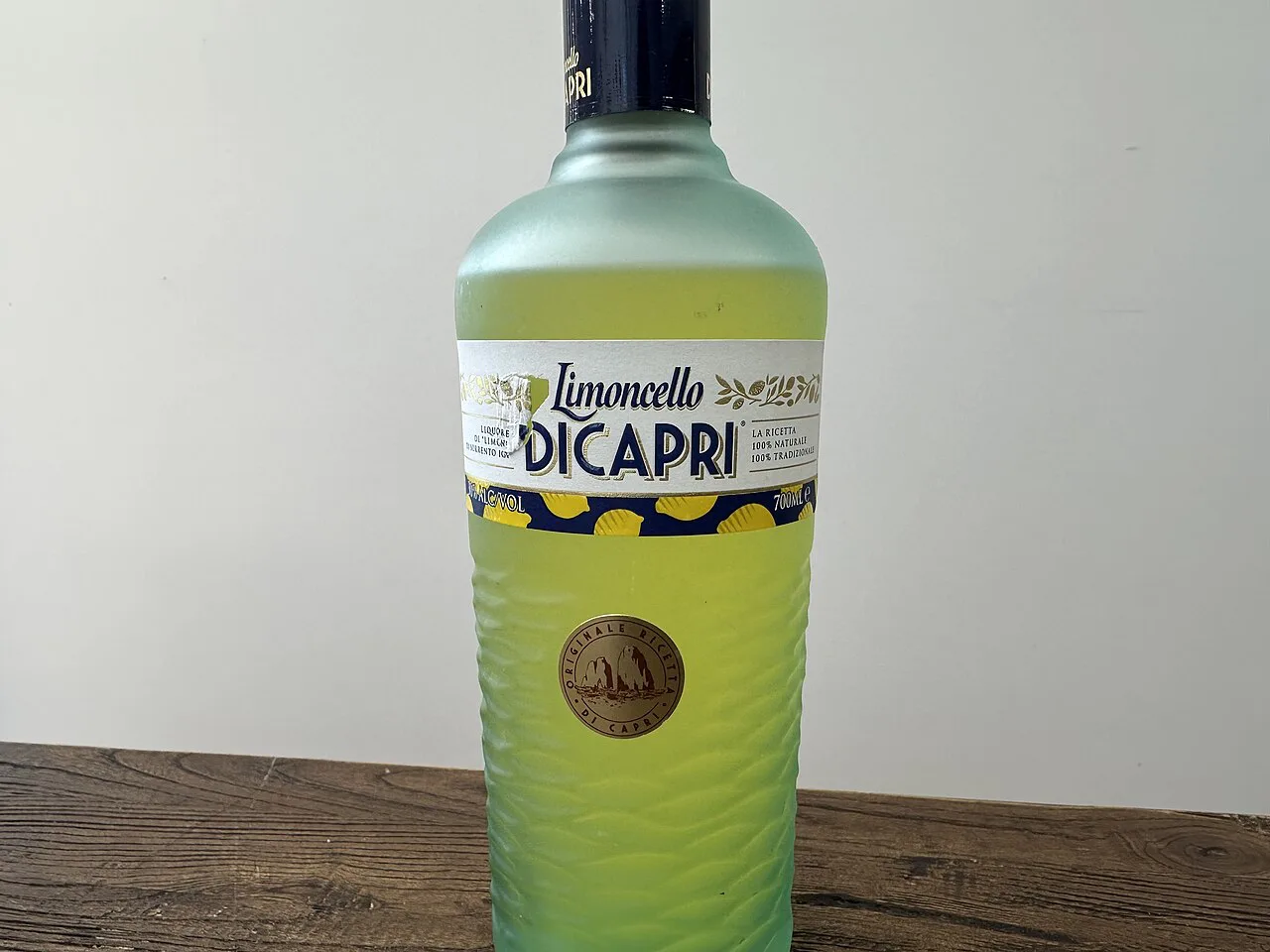
Which lemons and which alcohol go into it
The Sorrento recipe specifies 8–10 lemons for a litre of alcohol, which is a generous quantity: the peel from that many fruit gives a strongly perfumed spirit.
The alcohol matters more than the lemons. Italian home cooks buy 95% proof alcohol in supermarkets specifically for making infused liqueurs, and that is the strength the recipe assumes. It is a highly concentrated product, so treat it with care, keep it away from children and never taste it neat.
Sugar and water make the syrup that goes in later, at the recipe's proportion of a kilogram of sugar to a litre of water. That is a heavy syrup, and it is why the finished liqueur tastes sweet even next to the strong alcohol. If you prefer a sharper drink, use slightly less sugar in the syrup.
How it is made: steeping the peel, then adding syrup
The method has two stages, and keeping them separate is what makes it work. First, peel the lemons and put the peel into a litre of alcohol, then leave it in a dark place for a week so the flavours from the peel infuse into the liquid. At the end of the week the alcohol is yellow and smells strongly of lemon.
Second, make the syrup by boiling the water and dissolving the sugar in it. Allow it to cool, remove the peel from the alcohol, then add the cooled syrup to the yellow, lemon-perfumed spirit. The cooling step is the one to respect.
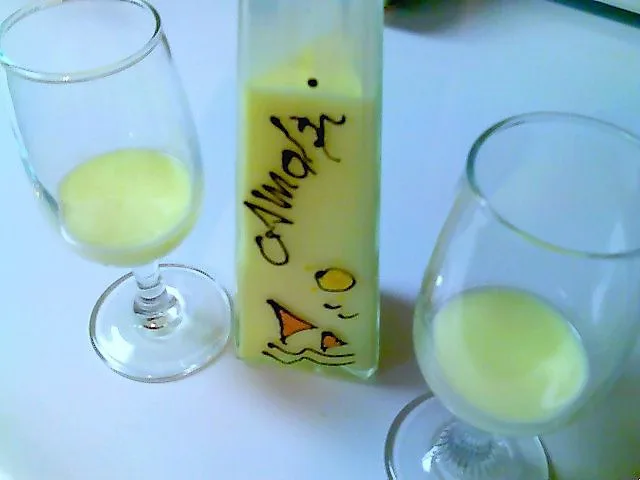
Finally, decant the mixture into bottles and leave them in a dark place for a further ten days before serving. The recipe then calls for the liqueur to be served chilled straight from the freezer, poured into small glasses.
How long it takes to make
Count on roughly two and a half weeks from peeling to pouring, plus cooling time for the syrup. One week steeping, one session to combine, then ten days resting in bottles. The active work is under an hour; the rest is waiting in a cupboard.
Making it in a large jar with a lid makes the steeping step easier, and a funnel saves a lot of mess when bottling.
How limoncello is served: chilled, from the freezer
Limoncello is a freezer drink. The recipe serves it chilled straight from the freezer in small glasses, and that is how it works best: the cold softens the alcoholic bite and makes the lemon feel fresher.
In Italy it usually appears at the end of a meal, brought out after coffee or alongside it. It is not a mixer, and it does not need tonic or ice. If you are building a drinks round, the pre-dinner slot belongs to an Italian aperitivo such as an Aperol Spritz or a Hugo spritz, and limoncello comes after.
The same logic applies to the snacks that go with a drink: olives, crisps, small crostini and similar bites are there to balance something bitter or fizzy, not something as sweet as limoncello. Save the Italian aperitivo snacks for the spritz hour and keep limoncello for the end of the meal.
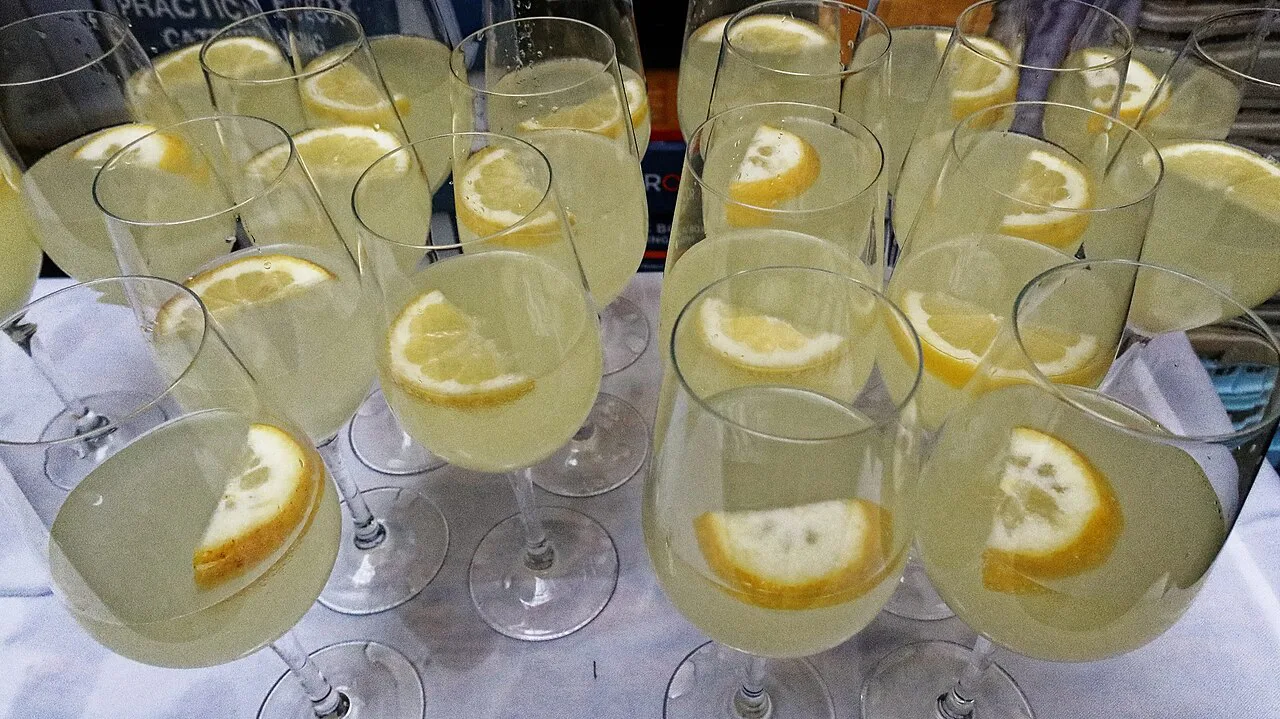
How strong it is and how much to pour
The base is 95% proof alcohol, cut with an equal volume of water-based syrup, so the finished drink is considerably weaker than the spirit you started with — but it is still a liqueur, not a soft drink. The practical rule is a small glass per person, poured straight from the freezer, and nothing larger.
Its sweetness hides the strength, which is exactly why it deserves care. A single small glass after dinner is the habit; topping up repeatedly is not. If you want a bitter, low-sugar alternative to finish a meal, a bitter digestivo such as an amaro does the same job in a completely different register, and the wider world of Italian liqueurs covers both ends of the range.
For contrast, Italian vermouth is a fortified, aromatised wine drunk in smaller measures and lower strength, often before a meal rather than after. Limoncello is the sweeter, stronger, colder option at the other end of the evening.
Limoncello from Sorrento and the Amalfi Coast
Limoncello is closely associated with Sorrento and the Amalfi Coast, where lemon growing is part of the landscape and family recipes are passed down. The recipe used here came from a friend in Sorrento, devised by her grandmother, and every family is said to have its own version. For more on the town and its lemon tradition, see this Sorrento guide.
The recipe page used here presents no DOP or IGP label for limoncello, so the Sorrento link is a family and regional tradition rather than a protected origin. Buy it where you see it made locally, but judge it on aroma and sweetness rather than on the town printed on the label.
Elsewhere in Italy the same infusion habit shows up under other names, such as mirto liqueur in Sardinia, made from myrtle berries rather than lemon peel. If you like the idea of a homemade fruit liqueur, that is the next one to try.
Making it at home without 95% proof alcohol
If you cannot find 95% proof alcohol, use straight vodka instead. The recipe gives this as the direct substitute, and it is the practical option where high-strength neutral alcohol is not easy to buy.
Vodka is weaker than 95% alcohol, so the finished liqueur will be gentler and less extractive; the peel may need the full week to reach the same colour and scent. Judge by look and smell rather than by the clock. Use a plain, unflavoured vodka so nothing competes with the lemon.
Grappa is another route, and a more Italian one: a young, unaged grappa makes a punchier, more rustic base than vodka. It brings its own character, so it will not taste like a neutral version.
Make a First Batch or Buy a Bottle?
Make it if you have the best part of three weeks, a cupboard and a freezer with room for the bottles; the method is simple and the payoff is a liqueur you can adjust to your own sweetness. Buy it if you want a bottle this weekend, and look for one with a fresh lemon aroma rather than a syrupy one.
Either way, serve it small and very cold, after the meal rather than before it. That single serving habit is the difference between limoncello as a treat and limoncello as a mistake.
Sources
Notes for your next meal in Italy
Optional updates to our food guides.
You might also like
Continue reading
More guides you'll find useful