Italian Vermouth: Styles, Botanicals and How to Drink It
Italian vermouth is an aromatised wine built on wormwood, sold as sweet red, bianco or dry. Learn the styles, what Vermouth di Torino means and how to serve it.
On this page
Italian vermouth is an aromatised wine: a wine base with added alcohol and botanicals, of which wormwood is the defining one. Sweet red vermouth became the Italian style while dry vermouth was traditionally French, a split that modern producers now blur freely. This guide covers the styles on an Italian shelf, what Vermouth di Torino on a label actually claims, and how to serve and keep a bottle.
Vermouth sits in the same family as fortified wines because alcohol is added to the wine, but it goes a step further with herbs, roots, flowers and fruit. The result is a drink that is bitter at the core and usually sweetened to balance it, which is why it works both as a chilled aperitivo and as the backbone of a Negroni.
What Italian vermouth is made from
The base is wine, at least three quarters of the finished liquid, which is why vermouth behaves like wine rather than like a spirit once opened. Neutral alcohol is added to strengthen and stabilise it, then the flavourings go in. Wormwood, Artemisia absinthium, is the required botanical; without it the drink is an aromatised wine but not vermouth.
Around the wormwood sit bitter botanicals such as gentian and quinine, plus citrus peel, cardamom, cloves, cinnamon and other spices borrowed from the gin-maker's cupboard. Sweetening follows, sometimes with sugar and sometimes with caramel, which deepens both colour and flavour. The finished drink typically falls between 14.5% and 22% alcohol by volume.
This is what separates vermouth from Port, Sherry and Marsala, which are fortified but not aromatised: they gain strength, not a botanical recipe. Dubonnet is the best-known quinquina, an aromatised wine built around quinine rather than wormwood, and Americano is a further Italian aperitivo style using wormwood and gentian. If you enjoy the bitter edge of an amaro, vermouth is the gentler, lower-strength version of the same idea.

Why sweet vermouth is the Italian style
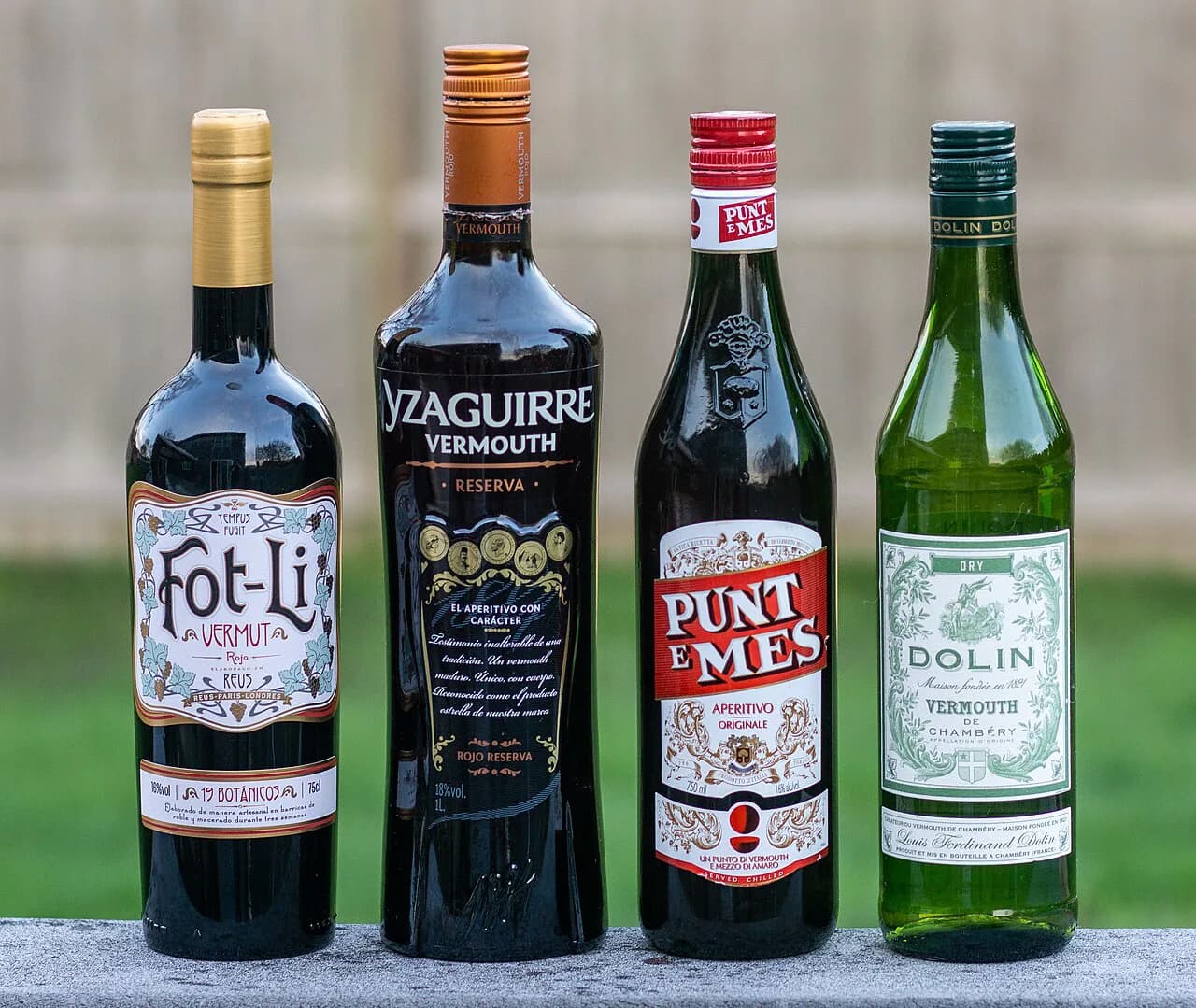
Traditionally, dry vermouth was the French style and sweet vermouth the Italian one, which is why a classic Martini cocktail calls for the dry French sort and a Negroni the sweet Italian sort. That division is a starting point rather than a rule today, since producers in both countries make the full range. On an Italian shelf the sweet red is still the default bottle, sold as vermouth rosso.
What is the difference between French and Italian vermouth? Traditionally, French vermouth was made in the dry style and Italian vermouth in the sweet style, which is why a dry Martini calls for the French sort and a Negroni the Italian sort. Modern producers in both countries make the full range, so the label style matters more than the country.
What are the three types of vermouth? For drinking purposes the useful split is extra dry, bianco and rosso, running from least to most sweet. Rosato sits between bianco and rosso.
Sweetness here sits on a spectrum rather than a switch, running from lightly sweetened bianco through full rosso to the bone-dry extra dry styles. Labels rarely spell out the sugar level, so the category name is the practical guide. Bitter-sweet drinks of this kind appeal to people who like dark chocolate, and the same logic applies: the pleasure is in the balance, not the sugar alone.
The styles you will see on an Italian shelf
Rosso is the sweet red vermouth, dark in colour, with caramel and spice notes and enough bitterness to stop it cloying; it is the bottle to buy for a Negroni. Bianco is paler and usually sweeter and more floral, served chilled as an aperitivo. Extra dry is the lightest in colour and the least sweet, the style that goes into a dry Martini.
Rosato sits between rosso and bianco, pink and medium-sweet, and is a good middle bottle if you want one vermouth for both drinking and mixing. Named bottles give you a way in: Martini Rosso is the widely available sweet red, Martini Extra Dry the widely available dry style, and Cocchi Vermouth di Torino, Antica Formula and Scarpa Vermouth di Torino Rosso sit at the fuller, more herbal end.
What Vermouth di Torino on the label tells you
Vermouth di Torino is a statement about origin: the liquid comes from Piedmont, the region around Turin where vermouth was first made. It is not a brand name, so several producers can carry it. As a rule of thumb, a bottle with Torino on the label is worth a closer look, because the claim ties it to the place that gave the drink its name.
Turin's café culture is where the drink settled into daily life, served before dinner with something small to eat alongside. That ritual is the reason vermouth belongs in a conversation about the Italian aperitivo rather than in the spirits cabinet. If you want the food side of the same hour, the snacks matter as much as the glass.
A chilled vermouth with soda and a strip of citrus is the closest thing to a house aperitivo, and it is a lower-alcohol choice than a spritz. If you order a spritz in Italy, the base is usually prosecco, soda and a bitter liqueur rather than vermouth, so the two drinks occupy different slots in the same ritual. Both are built for the hour before dinner, not for a long session.
How to serve Italian vermouth
Chill the bottle before pouring. Sweet rosso is best over a large ice cube with a slice of orange peel expressed over the top, while bianco and extra dry work neat and very cold in a small glass. A splash of soda lengthens any of them and makes a lighter aperitivo.
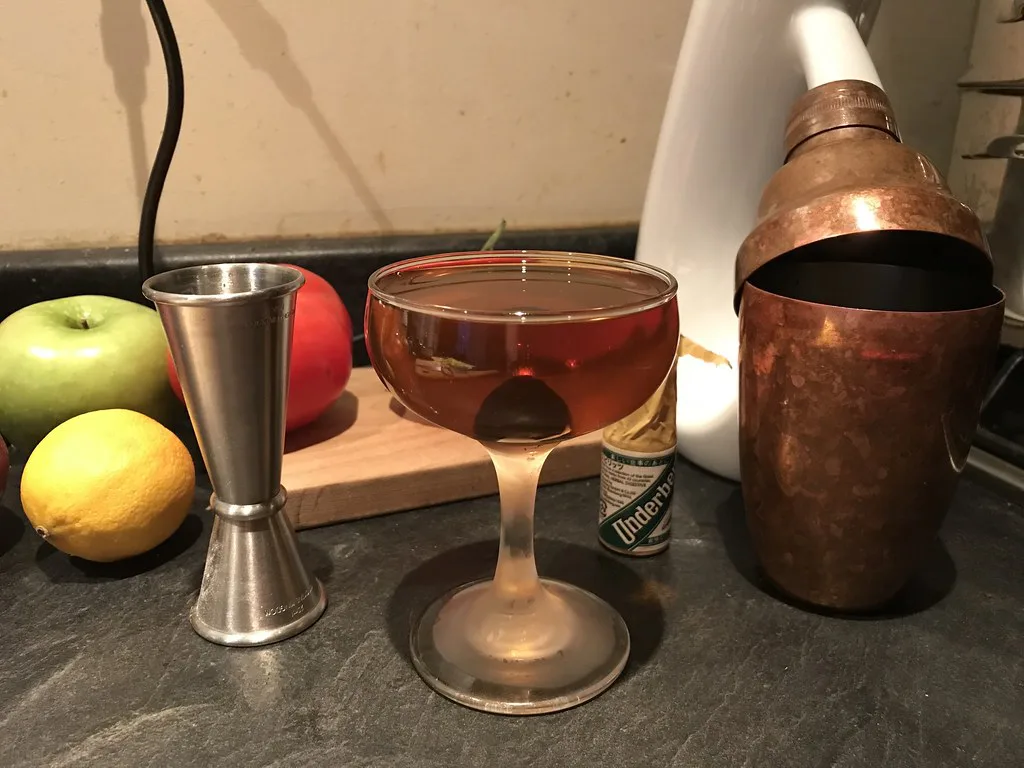
For a Negroni, equal parts sweet vermouth, gin and bitter red aperitivo, stirred over ice and strained, is the standard build; the vermouth is doing the sweetening and the spice, so a fuller rosso holds up better than a light one. A dry Martini takes a small measure of extra dry vermouth with gin or vodka, stirred until very cold. Neither drink needs a heavy hand: one round before dinner is the point.
If you want to explore the wider bitter and herbal shelf alongside vermouth, the same wormwood-and-gentian logic runs through Italian liqueurs, and a small glass of amaro after the meal closes the loop. Sparkling wines such as Vin Santo belong to a different, sweeter moment and are not a substitute in these drinks.
Italian bottles to look for
Start with the supermarket end: Martini Rosso and Martini Extra Dry cover the two classic roles at modest cost and are widely stocked. Mid-range bottles such as Cocchi Vermouth di Torino and Scarpa Vermouth di Torino Rosso bring more herbal complexity and a stronger bitter finish, which shows most clearly when the vermouth is drunk on its own. Antica Formula is the richer, vanilla-and-spice style that suits a Negroni where you want the vermouth to lead.
Beyond vermouth, the same shelves hold grappa, the grape-based spirit that comes after a meal rather than before it, and mirto liqueur from Sardinia, made from myrtle berries and served ice-cold as a digestivo. Limoncello follows the same pattern with lemon peel from the Amalfi Coast and further south. None of these replaces vermouth at aperitivo time, but they complete the Italian drinking day.
How to store an open bottle
Vermouth is wine, so treat an opened bottle as you would an open white: keep it in the fridge, corked, and drink it within a few weeks rather than a few months. The alcohol and sugar slow the decline, but the botanicals fade and the wine turns flat and slightly sherried in flavour. A half-bottle is the practical buy if you only mix the occasional Negroni.
Write the opening date on the label if you keep several bottles on the go; it is the simplest way to avoid pouring a tired vermouth into a good cocktail. Unopened bottles keep far longer in a cool, dark cupboard, though they are not immortal either.
Which bottle to buy first
Buy a sweet rosso first if you plan to make Negronis, and add a dry vermouth only if a Martini is on your list. If you mostly drink it chilled before dinner, a bianco or a Vermouth di Torino rosso gives you the most pleasure per glass. Named bottles such as Martini, Cocchi, Scarpa and Antica Formula cover the range from everyday to full-flavoured.
Frequently Asked Questions
What is the difference between French and Italian vermouth?
Traditionally, French vermouth was made in the dry style and Italian vermouth in the sweet style, which is why a dry Martini calls for the French sort and a Negroni the Italian sort. Modern producers in both countries make the full range, so the label style matters more than the country.
What are the three types of vermouth?
For drinking purposes the useful split is extra dry, bianco and rosso, running from least to most sweet. Rosato sits between bianco and rosso. Vermouth is also one of three aromatised wine families alongside quinquina, built on quinine, and Americano, built on wormwood and gentian.
Sources
Notes for your next meal in Italy
Optional updates to our food guides.
You might also like


Continue reading
More guides you'll find useful